
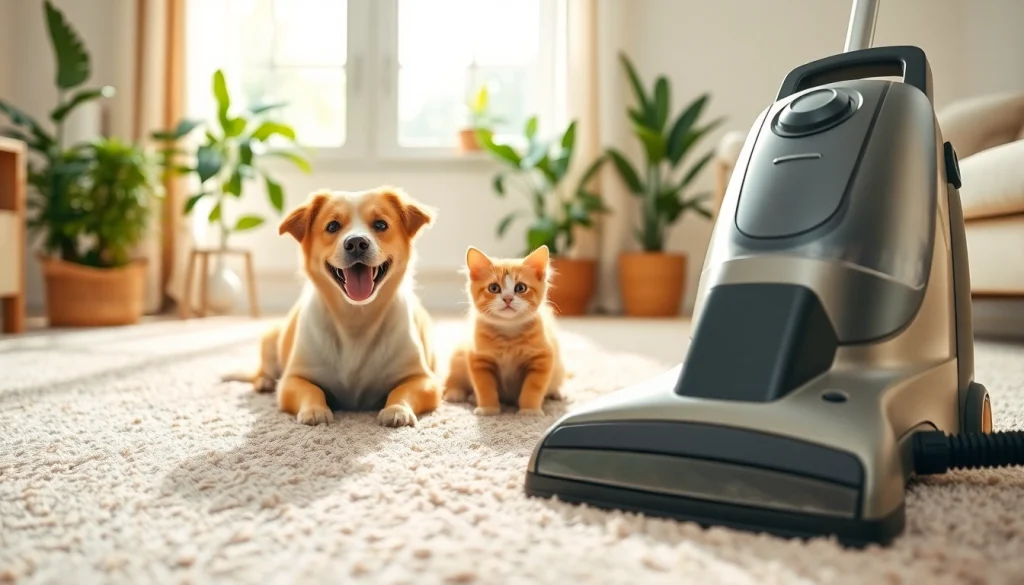
Understanding Pet Odor Causes
As much as we love our furry companions, pet odors can be a difficult challenge for pet owners. Understanding what causes these odors is crucial in managing and preventing them effectively. From specific pet behaviors to the materials used in your home, numerous factors can contribute to unwanted smells. By exploring these, you can create a better environment for both you and your pets, leading to a happier home.
Common Sources of Odors
Pet odors primarily stem from a variety of sources. The two most significant contributors are urine and feces, which contain ammonia and other compounds that produce a strong stench. Additionally, pet dander, saliva, and even the oils in a pet’s fur can contribute to an unpleasant smell. Over time, these elements may seep into carpet fibers, upholstery, and even flooring, making the odors harder to eliminate.
Impact of Pet Type on Odor
Different pets have their unique scent profiles, and some tend to produce stronger odors than others. For instance, dogs often have a musky smell that varies by breed, while cats, with their litter habits, can have a more pungent odor if not cleaned regularly. Understanding your pet’s specific characteristics can help you choose the most effective cleaning solutions and routines tailored to their needs.
The Role of Carpet Materials
The type of carpet in a home can significantly impact how pet odors are absorbed and retained. Carpets with high-pile fibers tend to trap more dander and odor molecules, while low-pile carpets may be easier to clean. Additionally, synthetic materials may hold odors longer than natural fibers. Keeping these factors in mind can guide your carpet choices and cleaning strategies, especially when considering pet odor carpet cleaning.
Best Practices for Pet Odor Carpet Cleaning
To effectively manage pet odors in carpets, adopting best practices is essential. Regular maintenance and the right cleaning techniques can significantly improve your home’s scent and result in a healthier living environment.
Routine Maintenance Techniques
Establishing a regular cleaning routine is fundamental in preventing pet odors from settling into carpets. Start by vacuuming frequently—ideally every few days if you have multiple pets. Consider investing in a vacuum cleaner designed specifically for pet hair, which can remove dander and shedding effectively. Also, don’t forget to clean any areas where your pets spend most of their time, including upholstery and their favorite resting spots.
DIY Carpet Cleaning Solutions
There are various DIY solutions that can assist in combating pet odors. A mixture of white vinegar and water can neutralize odors effectively; simply spray it on the affected area and let it dry. Another solution is a baking soda sprinkle that can be left overnight to absorb smells before vacuuming it up. Both options are inexpensive and safe for your pets, making them ideal for regular use.
When to Call Professionals
While home remedies can be effective, there are situations where professional cleaning is warranted. For longstanding stains or deep-set odors, expertise may be required. A professional cleaning service can apply methods like steam cleaning more effectively, utilizing equipment that exceeds conventional household cleaning power. Regular professional cleanings (every 6 to 12 months) can also help maintain your carpets’ freshness.
Choosing the Right Carpet Cleaning Products
With an abundance of products on the market, selecting the right one for pet odor removal can be overwhelming. Considering safety and effectiveness is crucial for ensuring a healthy environment.
Non-toxic Options for Pet Safety
Opting for non-toxic cleaning products should be a priority for pet owners. Look for brands that explicitly list their safety on pets’ labels and contain natural ingredients. Avoid harmful chemicals like bleach or ammonia, which can irritate your pet’s sensitive nose and skin. Many natural alternatives are equally effective at combating odors while ensuring the safety of your beloved companions.
Effectiveness of Enzymatic Cleaners
Enzymatic cleaners are specifically designed to break down the proteins in pet urine and feces, effectively neutralizing their associated odors. These products contain safe enzymes that digest and remove the organic material, preventing the odors from returning. They are an excellent choice for deep cleaning carpets, especially in areas with frequent messes.
Comparing Different Cleaning Methods
Various cleaning techniques yield different results. Beyond traditional shampooing and steam cleaning methods, options like dry cleaning or bonnet cleaning are available. Each method has its advantages: steam cleaning penetrates deeper, while dry cleaning reduces drying time. When addressing pet odors, consider the material of your carpet and the nature of the stains to choose the best method for your needs.
Innovative Technology in Carpet Cleaning
Advancements in carpet cleaning technology can make maintaining a pet-friendly home more manageable. Keeping abreast of these technologies can provide an edge in tackling pet odors effectively.
Steam Cleaning vs. Dry Cleaning
Steam cleaning is a prevalent method to combat deep-set odors; it utilizes high temperatures to disinfect and clean. However, drying times can be long. Conversely, dry cleaning employs minimal moisture and allows for quicker results, making it suitable for immediate needs. Understanding the strengths and weaknesses of both methods can help in making informed choices for your carpet cleaning routine.
Latest Carpet Cleaning Equipment
Investing in modern carpet cleaning equipment can yield significant improvements in odor elimination. Many newer models boast advanced filtration systems and upholstery attachments to target hard-to-reach areas. Moreover, robotic cleaners have gained popularity for their ability to maintain cleanliness regularly without effort from homeowners.
Benefits of Ozone Treatments
Ozone treatments, involving high levels of ozone to neutralize odors, are increasingly used in pet odor removal. This technology has the ability to penetrate carpet fibers and remove odors at a molecular level. However, these treatments require great care to avoid exposure to pets and should be completed by professionals. When used correctly, they can help restore freshness to heavily soiled carpets.
Frequently Asked Questions About Pet Odor Carpet Cleaning
What regular cleaning methods help with pet odors?
Frequent vacuuming, using baking soda, and applying vinegar solutions can effectively manage pet odors. Establishing a routine helps prevent odors from setting into carpets.
How can I prevent pet odors in the future?
Regular cleaning, using odor neutralizers, and addressing spills promptly enhance odor prevention. Also, regular grooming helps reduce dander and hair accumulation.
Is professional cleaning necessary for pet-stained carpets?
While DIY methods can help, professional cleaning is often needed for deep stains or persistent odors. Experts use advanced techniques and products to restore carpets effectively.
What are safe carpet cleaning products for pets?
Look for enzyme-based cleaners, vinegar, and baking soda. These are pet-safe and effective against odors, eliminating harmful chemicals from your cleaning routine.
How often should I clean my carpets if I have pets?
Vacuuming should be done every few days, while deep cleaning is recommended every 6 to 12 months to manage pet odors actively and maintain carpet quality.