
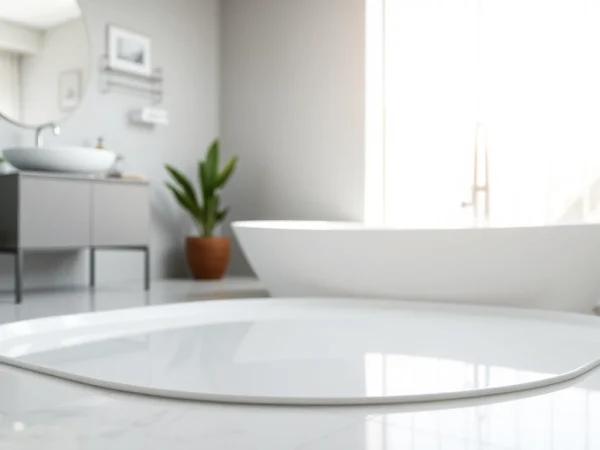
Understanding the Importance of a Shower Base
What is a Shower Base?
A shower base, often referred to as a shower pan or a shower receptor, is a foundational component that supports the entire structure of your shower. It serves as the surface you stand on while bathing and collects water, directing it towards the drainage system. Commonly made from materials like fiberglass, acrylic, or tile, the purpose of a shower base extends beyond mere aesthetics; it also plays a critical role in water management and bathroom safety. An effectively installed shower base helps prevent water leaks, damage to underlying structures, and molds, which is crucial for maintaining a clean and safe bathroom environment. A quality shower base thus ensures both functionality and style in modern bathrooms.
Benefits of Installing a Quality Shower Base
When it comes to bathroom renovations, the shower base is an often-overlooked yet essential item. Installing a high-quality shower base offers numerous benefits:
- Water Management: A properly designed shower base efficiently channels water to the drain, preventing leaks and water damage to your home’s structure.
- Enhanced Safety: Many modern shower bases are designed with slip-resistant surfaces, reducing the risk of falls and ensuring safety for users of all ages.
- Ease of Maintenance: Quality materials make for easy-to-clean surfaces that resist mold and mildew build-up, thereby maintaining hygiene effortlessly.
- Customizable Aesthetics: Shower bases come in various designs, colors, and finishes, allowing homeowners to match their bathrooms’ style while adding a touch of luxury.
- Longevity: Investing in a durable shower base prolongs the life of your shower unit, leading to fewer replacements and repairs over the years.
Common Materials Used for Shower Bases
Choosing the right material for a shower base is crucial as it impacts durability, maintenance, and overall bathroom aesthetics. Here are some common materials used:
- Acrylic: Lightweight and available in various colors, acrylic shower bases are easy to install and maintain. They offer a smooth surface that is resistant to stains.
- Fiberglass: Generally more affordable, fiberglass shower bases are known for their durability and ease of installation. However, they may require more maintenance to prevent fading and wear.
- Tile: For those seeking a custom look, tiled shower bases can be designed in various patterns and colors. However, they can be more challenging to install and require proper sealing.
- Stone: Natural stone bases like marble or granite offer an upscale feel and excellent durability, although they require more upkeep and are often on the pricier side.
- Cast Iron: Heavier and exceptionally durable, cast iron shower bases have an enduring quality. While they retain heat well, they can be more challenging to install due to their weight.
Factors to Consider When Choosing a Shower Base
Size and Space Requirements for Your Shower Base
One of the primary considerations when selecting a shower base is its size. It’s essential to measure the available space accurately to ensure the shower base fits comfortably without making the bathroom feel cramped. Standard shower bases come in various dimensions, but the space should accommodate not just the base but also any accompanying fixtures like doors or curtains. For smaller bathrooms, consider a corner shower base which can maximize space without compromising aesthetics.
Style Considerations for Your Shower Base
The shower base should complement the overall style and design of your bathroom. Whether it’s contemporary, minimalist, traditional, or rustic, the design elements of the shower base must harmonize with other fixtures and the overall architecture. Choose finishes and colors that reflect your personal style while considering how they pair with tiles, cabinetry, and plumbing fixtures to create a cohesive look.
Durability and Maintenance Needs of Shower Bases
The longevity of a shower base can significantly influence your decision-making. Materials with high durability serve practical functions, allowing for regular use without excessive wear. Additionally, consider the maintenance needs of your chosen material. For instance, while tiles can offer a customizable look, they might require frequent grout cleaning. On the other hand, acrylic bases are typically easier to clean but may scratch if not handled carefully. Balancing aesthetics with durability ensures that you invest in a shower base that will withstand the test of time.
How to Install a Shower Base
Preparing the Shower Area for Installation
Preparation is crucial for a successful shower base installation. Begin by clearing the area, removing old fixtures, and ensuring the subfloor is level and free from moisture. It’s also essential to check that the plumbing is correctly positioned for drainage. If you are replacing an existing shower base, you may need to address any damages or leaks in the surrounding areas to prevent future issues.
Tools Needed for Installation of a Shower Base
Before installation starts, gather the necessary tools to streamline the process. Common tools used in shower base installation include:
- Level
- Trowel
- Utility knife
- Measuring tape
- Drill
- Sealant
- Screwdriver
- Rubber mallet
Step-by-Step Guide to Installing a Shower Base
Here’s a step-by-step guide to help you install your shower base:
- Measure and Mark the Area: Measure the dimensions of the shower area and mark them for reference.
- Set the Shower Base: Place the shower base in the shower area to check for fit. Make adjustments as necessary before proceeding.
- Create a Drain Hole: If your shower base requires a drain, mark and cut an opening in the subfloor according to manufacturer instructions.
- Apply Sealant: Apply a bead of sealant around the drain fitting to ensure a watertight seal when the base is installed.
- Install the Base: Lower the shower base into position. Ensure it is level and adjusted correctly before securing it in place.
- Connect Plumbing: Connect the drain to the plumbing beneath the shower base. Double-check for any leaks.
- Finishing Touches: Once secure, use a caulking gun to apply sealant around the edges and allow it to dry. Finish by reinstalling any wall panels or features that double as a shower enclosure.
Frequently Asked Questions About Shower Bases
What is the average cost of a shower base?
The cost of a shower base can vary widely based on size and materials, typically ranging from $200 to $1,000. Installation costs may add an additional $100 to $500 depending on the complexity.
How do I clean and maintain my shower base?
Cleaning your shower base involves regular maintenance such as wiping down surfaces after use. Use non-abrasive cleaners suitable for your base material to prevent scratches and damage.
Can I install a shower base myself?
Yes, many homeowners opt for DIY installations if they have some plumbing and carpentry knowledge. However, hiring a professional can ensure proper installation and prevent potential issues.
Choosing the Right Shower Base for Your Bathroom Style
Matching Your Shower Base to Bathroom Decor
While functionality is key, aesthetics should not be neglected. Choose a shower base color and finish that complements your bathroom décor. For modern spaces, sleek designs with monochromatic colors work well, while earth tones may suit more traditional styles. Consider the overall theme and mood you want to convey when selecting your shower base.
Trends in Shower Base Design and Features
Trends in shower base design are continually evolving, reflecting shifts in consumer preferences and technological advancements. Currently popular trends include:
- Low-Profile Bases: These designs offer seamless integration with the rest of the bathroom, creating a minimalist appearance.
- Textured Surfaces: Enhanced slip resistance with added texture boosts safety without sacrificing style.
- Integrated Storage Solutions: Some newer bases include built-in storage for convenience while showering.
- Customizable Options: Modular shower bases allow for personalized configurations, accommodating various space needs.
Final Thoughts on Selecting a Shower Base
Choosing the right shower base is a pivotal decision in any bathroom renovation or construction project. By considering factors such as size, material, and style, you ensure that your shower base not only fits your functional needs but also enhances the aesthetic appeal of your bathroom. With a wide range of options available, investing in a quality shower base contributes significantly to the overall functionality and look of your shower space.