

Maintaining mental health is essential for leading a balanced and fulfilling life. Many people face anxiety, stress, and burnout due to daily pressures, work challenges, or personal struggles. By understanding the signs of these conditions and implementing practical strategies, you can take control of your emotional well-being. This article offers evidence-based Mental health tips to help manage anxiety, stress, and burnout in an approachable and effective way.
Understanding Anxiety, Stress, and Burnout
Before exploring mental health tips, it’s crucial to understand what anxiety, stress, and burnout are, how they differ, and why they impact your life.
What Is Anxiety?
Anxiety is a natural response to perceived threats or challenges. It is characterized by feelings of worry, fear, and unease. While occasional anxiety can be helpful in preparing for important events, chronic anxiety can interfere with daily functioning. Signs of anxiety include:
- Constant worrying about future events
- Feeling restless or on edge
- Difficulty concentrating
- Sleep disturbances
- Physical symptoms such as increased heart rate or tension headaches
What Is Stress?
Stress is the body’s reaction to external pressures or demands. It can be short-term (acute) or long-term (chronic). While mild stress can motivate you to complete tasks, prolonged stress negatively affects physical and mental health. Common stress indicators include:
- Irritability or mood swings
- Fatigue and low energy
- Muscle tension or headaches
- Trouble sleeping or eating
- Decreased productivity
What Is Burnout?
Burnout is a state of emotional, physical, and mental exhaustion caused by prolonged stress. It often occurs in work or caregiving settings where demands consistently exceed coping resources. Symptoms include:
- Feeling overwhelmed or detached
- Reduced performance and motivation
- Emotional exhaustion or apathy
- Difficulty managing responsibilities
- Increased irritability and negative thinking
Understanding these conditions is the first step in applying effective mental health tips to improve your well-being.
Daily Mental Health Tips to Manage Anxiety
Anxiety can feel overwhelming, but small, intentional steps can make a significant difference. These mental health tips focus on calming your mind and reducing anxious thoughts.
Practice Mindfulness
Mindfulness is the practice of staying present in the moment without judgment. It can reduce anxiety by helping you observe your thoughts without reacting emotionally. Techniques include:
- Deep breathing exercises: Inhale for 4 counts, hold for 4, exhale for 6.
- Body scan meditation: Focus on each part of your body, releasing tension gradually.
- Mindful walking: Pay attention to your steps, surroundings, and sensations while walking.
Real-life example: Emma, a 16-year-old student, felt anxious before exams. She started 10 minutes of daily mindful breathing, which helped her stay calm and focused.
Challenge Negative Thoughts
Negative thinking patterns fuel anxiety. Cognitive techniques like thought challenging help replace irrational fears with realistic perspectives.
- Identify the anxious thought.
- Examine the evidence for and against it.
- Replace it with a balanced, rational thought.
Case study: Jake constantly worried about failing soccer tryouts. By challenging his catastrophic thoughts, he realized that his preparation and skills made success likely. This shift reduced his anxiety and boosted confidence.
Limit Exposure to Triggers
Certain situations, social media, or news can trigger anxiety. Identify your triggers and set healthy boundaries. For example:
- Schedule breaks from social media.
- Avoid excessive exposure to negative news.
- Create a safe space for relaxation at home.
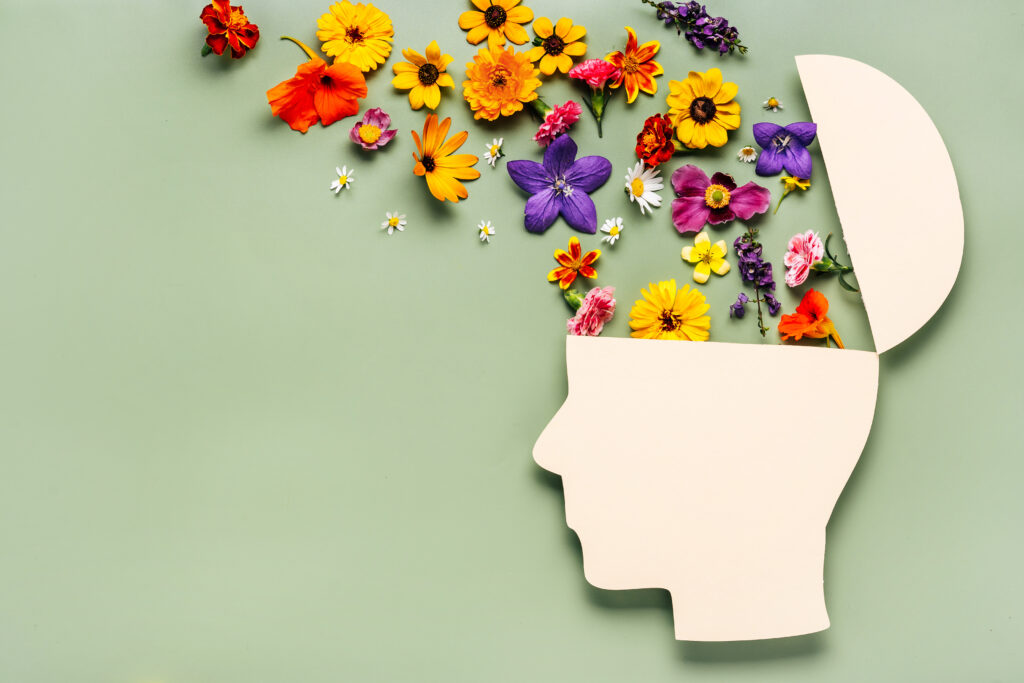
Mental Health Tips to Manage Stress
Stress management is essential for emotional and physical health. These practical strategies help lower stress and increase resilience.
Establish a Routine
A structured daily routine provides stability and predictability, reducing stress levels. Include:
- Set times for waking up and sleeping.
- Allocate time for work, study, and relaxation.
- Incorporate regular meals and exercise.
Analogy: A routine is like a map for your day. Without it, you may feel lost and overwhelmed, but a clear path reduces stress and increases productivity.
Prioritize Self-Care
Self-care is not indulgent; it’s essential for mental health. Stress can be reduced through:
- Physical activity, like walking, yoga, or swimming
- Adequate sleep (7–9 hours for teens and adults)
- Balanced nutrition rich in fruits, vegetables, and whole grains
- Hobbies and activities that bring joy
Real-life example: Sarah, a nurse experiencing high work stress, started journaling for 15 minutes each night. Writing her thoughts helped her process emotions and sleep better.
Practice Time Management
Effective time management prevents last-minute pressures and chronic stress. Use these techniques:
- Make to-do lists and prioritize tasks
- Break large projects into smaller steps
- Use timers to maintain focus and take breaks
Mental Health Tips to Prevent and Recover from Burnout
Burnout requires intentional strategies for recovery and long-term prevention.
Recognize Early Warning Signs
Awareness is critical. Early signs of burnout include chronic fatigue, irritability, and decreased motivation. By recognizing these signs, you can take action before exhaustion worsens.
Set Healthy Boundaries
Boundaries help protect energy and mental health. For example:
- Learn to say no to excessive obligations
- Take breaks during work or study
- Allocate time for social connections and personal interests
Seek Support
Burnout can be isolating, but sharing your experiences reduces emotional load. Options include:
- Talking with trusted friends or family
- Seeking professional counseling
- Joining support groups for shared experiences
Case study: Alex, a software developer, noticed decreased productivity and emotional detachment. He spoke to a counselor and implemented flexible work hours. Within months, his energy levels and enthusiasm returned.
Lifestyle Changes That Support Mental Health
In addition to daily practices, long-term lifestyle adjustments can sustain emotional well-being.
Exercise Regularly
Physical activity reduces cortisol (the stress hormone) and boosts endorphins (feel-good chemicals). Aim for at least 30 minutes most days of the week.
Maintain a Balanced Diet
Eating nutritious foods stabilizes energy levels and supports brain function. Include:
- Complex carbohydrates like whole grains
- Lean proteins like fish, chicken, and beans
- Omega-3 fatty acids from nuts and fish
Sleep Hygiene
Quality sleep enhances mood and cognitive function. Tips include:
- Maintain a consistent sleep schedule
- Avoid screens 1 hour before bed
- Create a calm, dark, and cool sleeping environment
Social Connections
Strong relationships improve resilience and provide emotional support. Spend time with people who uplift and encourage you.
Real-Life Application of Mental Health Tips
Integrating mental health tips into daily life may seem challenging, but small consistent actions lead to significant improvements. For instance, a student dealing with exam stress can:
- Start the day with 5–10 minutes of deep breathing
- Use a planner to organize study tasks
- Take short breaks for walking or listening to music
- Maintain a sleep schedule and healthy meals
- Share feelings with a friend or counselor
Over time, these strategies reduce anxiety, prevent stress accumulation, and protect against burnout.
Conclusion
Anxiety, stress, and burnout are common challenges, but they are manageable with intentional practices. By applying mental health tips such as mindfulness, self-care, time management, and social support, you can improve your emotional resilience and overall well-being. Remember, small daily actions lead to long-term mental health benefits. Prioritize your emotional needs, set boundaries, and seek support when necessary. Your mental health is a valuable asset—protect it with care, understanding, and consistent effort. Explore our homepage now to stay ahead in the digital world.
FAQs
What are the most effective mental health tips for managing anxiety?
Effective mental health tips for anxiety include practicing mindfulness, challenging negative thoughts, limiting exposure to triggers, and maintaining healthy routines. Regular exercise, deep breathing, and talking to a trusted person also help reduce anxious feelings.
How can I prevent burnout in my daily life?
Preventing burnout involves setting healthy boundaries, prioritizing self-care, managing time effectively, and seeking support when needed. Recognizing early signs of exhaustion and maintaining a balanced lifestyle are crucial for long-term prevention.
Can lifestyle changes really improve mental health?
Yes, lifestyle changes such as regular exercise, a balanced diet, adequate sleep, and social connection significantly improve mental health. These adjustments support emotional resilience, reduce stress, and enhance overall well-being over time.