
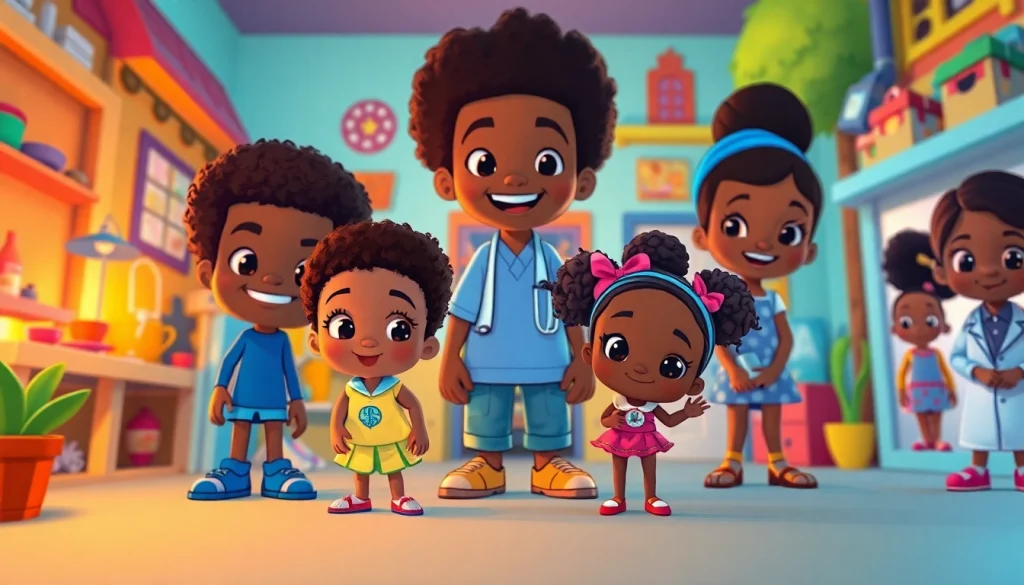
Introduction to African American Cartoons
As animation continues to evolve, the importance of representation in media has gained substantial recognition. This is particularly evident in the realm of African American cartoons, which have emerged as vital cultural touchstones. These animated works not only entertain but also educate, offering meaningful portrayals of the African American experience that resonate across generations. In this article, we will explore the significance of these cartoons, their historical development, and their impact on audiences today. In doing so, we hope to highlight both classic and contemporary works that have shaped the landscape of animated storytelling.
When exploring options, African American Cartoons provide comprehensive insights into representation and culture in animation.
The Significance of Representation in Animation
Representation in animation is crucial for fostering a sense of identity and belonging among viewers. When animated stories reflect the diversity of society, they empower marginalized communities and cultivate understanding among audiences. For African American children, seeing characters that look like them—and embody their cultures—can significantly impact their self-esteem and worldview.
A Brief History of African American Cartoons
The journey of African American cartoons began long before the establishment of the genre. From early caricatures to the groundbreaking work of notable figures like Walt Disney and Warner Bros., the industry has often oscillated between positive representation and harmful stereotypes. The 1970s saw a turning point when shows like Fat Albert and the Cosby Kids introduced Black characters as relatable heroes, while the late 1990s and 2000s brought significant shows like The Boondocks and The Proud Family, which tackled social issues head-on.
Overview of Popular Shows and Characters
Numerous series and characters have left an indelible mark on the animation landscape:
- Fat Albert – A series that focuses on a group of neighborhood kids facing everyday challenges.
- The Boondocks – A sharp commentary on race and culture through the lens of two brothers navigating life in a predominantly white suburb.
- The Proud Family – An animated series that blends humor with valuable life lessons centering around family and community.
- Craig of the Creek – A recent series celebrating friendship and adventure with a diverse cast of characters.
Iconic African American Cartoon Characters
Trailblazers: Characters Who Changed the Game
Several characters have not only entertained but also influenced societal perceptions of African American culture:
- Huey Freeman from The Boondocks – An activist voice for African American youth, Huey provides commentary on social justice issues.
- Penny Proud from The Proud Family – A relatable teenage girl whose adventures reflect the complexities of growing up in a diverse environment.
- Doc McStuffins – A pioneering character in children’s animation, she represents young African American girls in the medical field.
Contemporary Favorites: Celebrating New Voices
Today’s animation landscape features a rich diversity of contemporary characters who resonate with younger audiences:
- Yasuke – The first African samurai whose story has been immortalized in Netflix’s animated series.
- Craig Williams from Craig of the Creek – A modern representation of curiosity and adventure in a vibrant community.
Female Representation in African American Cartoons
The representation of African American women in cartoons has evolved significantly, with characters who are diverse in talent, career aspirations, and personality. Characters like Doc McStuffins and Penny Proud not only serve as role models for young girls but also challenge the stereotypes often seen in media. The landscape is broadening, showcasing strong, complex female characters that inspire future generations.
Educational Impact of African American Cartoons
Using Cartoons as Teaching Tools
Animation serves as a powerful educational medium, especially for young audiences. African American cartoons effectively combine entertainment and learning by embedding cultural lessons, social awareness, and emotional intelligence within their narratives. Shows like Sesame Street, with its diverse cast, or Doc McStuffins, which discusses emotional and health-related topics, illustrate how storytelling can facilitate learning.
Cultural Lessons from Animated Series
Culturally rich cartoons provide insights into African American history, traditions, and values. Series that incorporate cultural folklore, historical events, and real-life challenges equip children with knowledge about their heritage while promoting empathy toward other cultures.
Parents’ Perspectives: Why Representation Matters
Parents are increasingly aware of the significance of representation in media. They seek content that reflects their children’s backgrounds and experiences, understanding that seeing characters who share their identity fosters positive self-image and cultural pride. This has spurred the demand for more inclusive content in children’s programming.
Analysis of Themes in African American Cartoons
Social Issues and Their Cartoon Portrayals
African American cartoons often tackle poignant social issues, such as racism, inequality, and identity. The Boondocks stands out for its unapologetic exploration of race relations in America, using humor and satire to provoke thought and discussion. This ability to discuss serious themes through animation is a potent tool for societal reflection.
Humor and Its Role in Representation
Humor is a crucial element of many African American cartoons, serving both to entertain and to offer social commentary. Shows like The Proud Family and Craig of the Creek use comedy to approach serious topics in a way that is accessible to younger audiences, making it easier for them to understand and discuss complex issues.
The Blend of Culture and Entertainment
Animation, particularly African American cartoons, serves as a vibrant tapestry where culture meets entertainment. This intersection allows for a richer storytelling experience that resonates with diverse audiences while preserving cultural identities.
Future Trends in African American Animation
Emerging Artists and New Shows on the Horizon
The future of African American animation looks promising, with a new generation of artists and storytellers poised to make their mark. As platforms like Netflix and Hulu invest in diverse content, we can expect innovative narratives and characters that reflect today’s cultural landscape.
The Rise of Digital Platforms for African American Content
Digital streaming services have emerged as game-changers in the distribution of animated content. Platforms focusing on diversity are providing space for African American creators to showcase their work, thus expanding the reach and impact of their stories.
Predictions for the Evolution of Representation in Animation
As societal attitudes continue to evolve, so too will the representation of African Americans in animation. With growing demands for authenticity and inclusivity, the future will likely see more complex and realistic portrayals that challenge stereotypes and celebrate the richness of African American culture.