Understanding the Uyghurs Community
The Uyghurs Community is a group rich in history and diverse cultural practices, primarily located in the Xinjiang Uyghur Autonomous Region of China. With a vibrant cultural tapestry woven from centuries of history, the Uyghurs embody a confluence of ethnic traditions and practices. To delve into the intricacies of the Uyghurs Community is to embark on a journey through their historical roots, modern-day challenges, and cultural significance in today’s global society. Notably, their situation has raised significant international attention, highlighting the need for awareness in support of their rights and human dignity, especially from sources like Uyghurs Community.
Historical Background of the Uyghurs
The origins of the Uyghurs can be traced back over a millennium, with references to the Uyghur Khaganate in the 8th century. This early state marked the beginning of the Uyghurs’ presence in Central Asia, where they adapted, adopted, and contributed to various aspects of life, including trade, religion, and culture. The Uyghurs are primarily Turkic-speaking and have historically been influenced by a diverse array of cultures due to the Silk Road’s pivotal role in facilitating trade and cultural exchange. Their conversion to Islam around the 10th century significantly shaped their social structures, cultural practices, and identity.
Cultural Significance in Modern Society
In today’s context, the Uyghurs Community has garnered attention not only for its rich cultural heritage but also for the dire challenges it faces. With a distinct language, vibrant traditions, and a strong sense of identity, the Uyghurs have contributed immensely to the global cultural mosaic. Their practices in art, music, and traditional crafts offer insightful perspectives on how marginalized communities can preserve their heritage amid modernity. This resilience is commendable, yet it exists against a backdrop of significant repression and cultural erasure, necessitating global advocacy and awareness.
Key Challenges Faced by the Community
The Uyghurs Community endures numerous challenges, including cultural suppression and human rights violations, particularly evident in the ongoing situation in Xinjiang. Reports indicate widespread surveillance, arbitrary detentions, and forced labor, fundamentally threatening the survival of their cultural identity. Integration pressures from the Chinese government have forced many Uyghurs to navigate complex dynamics of assimilation and resistance. The adverse impact of these challenges not only affects the Uyghurs but also highlights broader issues of human rights that resonate globally.
Cultural Practices and Traditions
Unique Festivals Celebrated by the Uyghurs Community
Festivals play a vital role in the cultural preservation of the Uyghurs Community. Celebrations such as Eid al-Fitr, Eid al-Adha, and the Nowruz, or Persian New Year, are pivotal in bringing families and communities together. Each festival embodies distinct rituals and practices, from communal prayers to traditional foods that are emblematic of their cultural identity. The Nowruz celebration, in particular, is marked by vibrant displays of music and dance, showcasing the community’s rich artistic heritage and celebrating renewal and hope.
Traditional Cuisine: A Culinary Journey
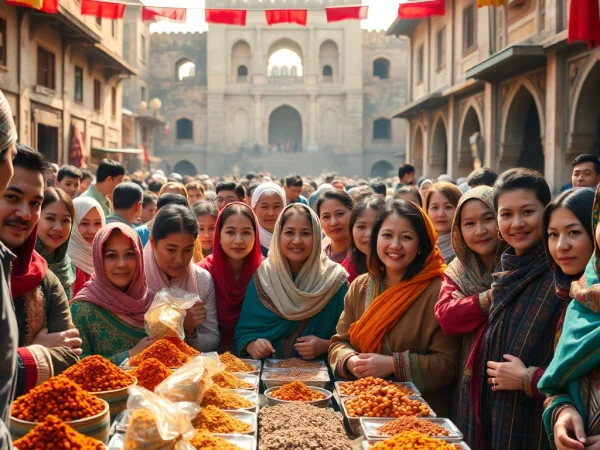
The culinary practices of the Uyghurs are a reflection of their rich cultural tapestry. Their cuisine features various styles influenced by the diverse ingredients available in the region. Staples include dishes like lamb kebabs, hand-pulled noodles, and pilaf, each providing an exploration of flavors that tells a story of their heritage. Cooking and eating are communal activities that foster relationships and reinforce community ties, making traditional meals essential to cultural expression.
Art and Music as Cultural Expressions
Art and music are cornerstones of Uyghur culture, serving not only as forms of expression but also as vital links to their identity. Traditional music, characterized by unique instruments like the dutar and rawap, conveys the emotional and spiritual essence of the Uyghurs. Dance, particularly the energetic and colorful meshrep (a form of communal dance), plays a significant role in cultural cohesion and storytelling. Such art forms are essential in both preserving the Uyghurs’ history and expressing their contemporary realities.
Global Perspectives on the Uyghurs Community
International Advocacy and Support
The plight of the Uyghurs has awakened a strong call for international advocacy and support. Numerous human rights organizations and activists are working tirelessly to bring attention to the injustices faced by the Uyghurs Community. Campaigns aimed at raising awareness and promoting human rights protections are crucial for leveraging political pressure on governments to act against abuses. Global solidarity campaigns have garnered increased media attention and public sympathy, further elevating the voices of the Uyghurs.
Impact of Geopolitical Changes
Geopolitical dynamics significantly influence the narrative surrounding the Uyghurs Community. The strategic interests of various countries, particularly concerning trade relations with China, often overshadow human rights concerns, complicating international responses. As nations grapple with balancing diplomatic relations and ethical obligations, the Uyghurs remain a focal point reflecting broader struggles for autonomy, human rights, and justice within authoritarian regimes.
The Role of Media in Shaping Perceptions
Media representation plays a critical role in shaping public perceptions of the Uyghurs Community. Coverage often oscillates between focusing on cultural richness and humanitarian crises. The narrative constructed by various media outlets can either amplify awareness and advocacy efforts or contribute to misunderstandings and further marginalization. Responsible reporting that emphasizes nuanced stories of resilience and struggle is essential in fostering global awareness and spurring actionable change.
Empowering the Uyghurs Community Through Collaboration
Educational Initiatives and Opportunities
Education is a cornerstone of empowerment within the Uyghurs Community. Enhancing access to quality education culturally relevant to their heritage is vital for fostering a sense of identity and belonging. Programs that focus on bilingual education and Uyghur history not only equip individuals with necessary skills but also bolster cultural preservation. Advocacy for educational access amplifies the voices of the youth, empowering them to contribute positively to various societal dimensions.
Building Sustainable Alliances
Forming sustainable alliances with organizations focused on human rights and cultural preservation is crucial for the Uyghurs. Collaborations can enhance resources, amplify voices, and create comprehensive action plans that address both immediate needs and long-term goals. These alliances can lend support to initiatives that promote cultural awareness, safety, and self-determination, facilitating pathways for enhanced empowerment.
Successful Case Studies of Community Empowerment
Various community-driven initiatives worldwide have successfully empowered marginalized communities, including the Uyghurs. Programs that incorporate traditional knowledge into modern educational frameworks have yielded promising results. For instance, efforts to integrate Uyghur literature and arts into curricula where Uyghurs reside have fostered community pride and identity. These case studies exemplify that with collaboration, commitment, and cultural engagement, significant strides toward empowerment are achievable.
FAQs About the Uyghurs Community
1. What is the history of the Uyghurs Community?
The Uyghurs are a Turkic ethnic group with a rich history dating back centuries, mainly residing in Central Asia and Xinjiang, China.
2. What are some traditional practices of the Uyghurs Community?
Traditional practices include unique forms of music, dance, and artistry, along with significant cultural festivals celebrated throughout the year.
3. What challenges does the Uyghurs Community face today?
The community faces various issues such as cultural suppression, human rights violations, and difficulties in preserving their heritage.
4. How can individuals support the Uyghurs Community?
Support can be offered through raising awareness, advocating for human rights, and supporting Uyghur-owned businesses and cultural events.
5. What role does education play in the Uyghurs Community?
Education is essential for empowerment, helping to preserve the cultural identity and providing opportunities for future generations within the community.