Understanding Island Lighting and Its Impact
What is Island Lighting?
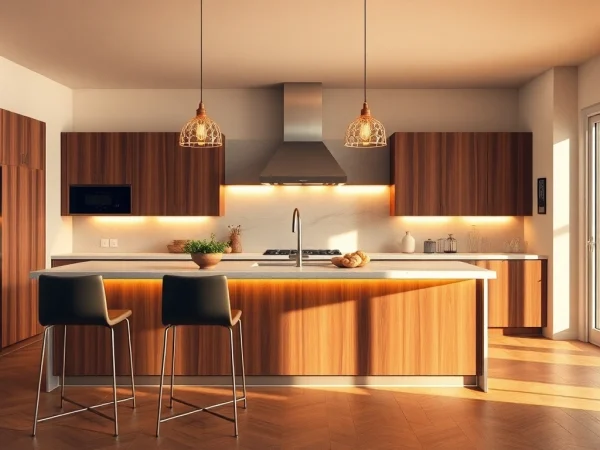
Island lighting refers to specialized lighting solutions designed primarily for use above kitchen islands or similar countertops in an open kitchen layout. It enhances both functionality and aesthetics, providing focused illumination where food preparation, family gatherings, or casual dining occur. The right island lighting can transform an ordinary kitchen into a vibrant focal point, making it both welcoming and efficient for everyday tasks. These fixtures typically include pendant lights, chandeliers, and various other styles that cater to different design preferences.
Benefits of Effective Island Lighting
The impact of effective island lighting extends far beyond mere visibility. Here are several key benefits:
- Enhanced Visibility: Proper lighting ensures that all tasks—be it chopping vegetables or plating a meal—are done safely and efficiently.
- Aesthetic Appeal: Well-designed island lighting serves as an essential design element, tying together the overall theme of the kitchen and creating an inviting atmosphere.
- Flexibility: Different fixture styles allow for adjustments based on changing needs, whether entertaining guests or preparing family meals.
- Mindful Design: Investing in quality lighting can elevate the perceived value of your home, catering to potential buyers if considering a sale.
Choosing the Right Style for Your Space
Selecting the appropriate style for your island lighting requires careful thought about your kitchen’s decor and functionality. Traditional styles might complement rustic themes, while sleek, minimalist fixtures suit modern spaces. Popular considerations include:
- Match Existing Decor: It’s crucial to choose fixtures that harmonize with your existing cabinetry, countertops, and appliances.
- Size Matters: Take measurements of your island and space to determine appropriate fixture sizes. Large fixtures can become overpowering, while tiny models may become lost in the expanse.
- Individual Preferences: Consider your personal style, whether it leans towards bold statements or subdued elegance.
Types of Island Lighting Fixtures
Pendant Lighting Options
Pendant lights are one of the most popular forms of island lighting, offering versatility in design, size, and finish. These fixtures can be used alone or in groups to create a cohesive look. They are available in various styles, including:
- Single Pendants: Ideal for more compact islands or when a minimalistic approach is desired.
- Clustered Pendants: Multiple pendants arranged close together can create a design statement that also provides broad illumination.
- Adjustable Height Pendants: For families who do various activities at the island, adjustable height options can cater to individual needs.
Chandeliers and Their Unique Charm
Chandeliers bring a touch of elegance and sophistication to island lighting. These fixtures come in various styles, from industrial to modern chic, to suit any taste. Key points include:
- Statement Piece: A chandelier can serve as a focal point, drawing the eye to the island area.
- Layered Lighting: Combining a chandelier with other light sources can create layered illumination, enhancing the overall ambiance.
- Variety of Styles: Whether opting for crystal elegance or rustic charm, chandeliers can enhance any kitchen decor.
LED Solutions for Modern Homes
LED lighting has become increasingly popular due to its energy efficiency and adaptability. Advantages of using LED solutions for island lighting include:
- Energy Efficiency: LEDs consume significantly less power than traditional bulbs, leading to reduced energy bills.
- Extended Lifespan: Most LEDs last significantly longer, reducing the frequency of replacements.
- Variety of Colors: LED fixtures come in several light temperatures, allowing personalization of the kitchen’s ambiance.
Best Practices for Installing Island Lighting
Planning Your Layout Effectively
Before purchasing and installing lighting, it’s crucial to plan your layout effectively. Here are some practical steps to consider:
- Sketch the Space: A scaled drawing of your kitchen can help visualize where and how fixtures will be placed.
- Consider Functionality: Identify zones where focused lighting is necessary to ensure a practical layout.
- Involve a Professional: If you’re unsure of your design skills, consulting an expert can prevent costly miscalculations.
Height Considerations and Spacing
Proper height and spacing of fixtures are paramount in maximizing functionality and aesthetics. Recommendations for achieving the best results include:
- Standard Height: Generally, lights should hang approximately 30 to 36 inches above the countertop to provide optimal illumination without obstruction.
- Uniform Spacing: For clusters of pendant lights, aim for equal spacing, usually around 28 to 36 inches apart, to maintain a balanced look.
- Visual Line-Up: Ensure that the visual line of the light fixtures aligns with adjoining areas like dining tables or living spaces for a cohesive design.
Integrating Island Lighting with Other Fixtures
Seamless integration of island lighting with other fixtures creates a cohesive and functional lighting scheme across the entire kitchen. Strategies for achieving this include:
- Layered Lighting Techniques: Combine ambient, task, and accent lights to create a multi-dimensional lighting experience.
- Consistent Finishes: Use similar finishes across fixtures for a unified appearance. For instance, if cabinets are brushed nickel, consider matching that finish for the lighting.
- Zone Lighting: Create specific lighting zones for different activities, ensuring each area has appropriate illumination.
Trends in Island Lighting Design
Innovative Materials and Finishes
Modern lighting trends continue to evolve, embracing unique materials and finishes. Key trends include:
- Mixed Materials: Combining materials such as metal, glass, and wood adds texture and visual interest to fixtures.
- Matte Finishes: Matte black or white fixtures are increasingly popular, offering a sophisticated alternative to glossy options.
Color Schemes and Their Effects
The color palette of your island lighting plays a crucial role in creating mood and enhancing design elements. Considerations include:
- Warm vs. Cool Tones: Warm tones create a cozy atmosphere, while neutral or cool tones deliver a more contemporary feel.
- Accent Colors: Use lighting as an opportunity to introduce accent colors that reflect the kitchen’s broader color palette.
Smart Lighting Technologies
The advent of smart technology has revolutionized how we manage island lighting. Advantages include:
- Remote Management: Control lights via smartphones or voice commands for ultimate convenience.
- Customizable Settings: Adjust brightness and color to suit various moods or occasions.
- Energy Monitoring: Many smart systems provide energy usage reports, helping homeowners optimize energy consumption.
Maintenance and Care for Your Island Lighting
Regular Cleaning Techniques
Maintaining your island lighting involves regular cleaning to remove dust and grease buildup. Practical tips include:
- Gentle Dusting: Use microfibre cloths to regularly dust lights, paying special attention to intricate designs.
- Safe Cleaning Solutions: For tougher grime, opt for solutions suitable for the fixture’s material; avoid abrasive cleaners.
Replacing Bulbs and Fixtures
To ensure your island lighting remains functional and effective, replace bulbs and fixtures as necessary. Recommendations include:
- Regular Checks: Establish a routine check to determine if any bulbs need replacement or fixtures need adjustments.
- Choose Quality Bulbs: Opt for high-quality bulbs that provide correct brightness and longevity for optimal performance.
Long-term Care Tips
Long-term care is critical for sustaining the beauty and functionality of your lighting fixtures. Consider the following:
- Follow Manufacturer Guidelines: Always adhere to specific care guidelines provided by manufacturers to prevent damage.
- Inspection for Wear: Regularly assess fixtures for signs of wear or damage, addressing them promptly to prolong lifespan.
Frequently Asked Questions
How do I choose the right island lighting?
Consider your kitchen size, style, and the ambience you want to create.
What is the ideal height for island lighting?
Typically, 30-36 inches above the countertop to ensure optimal illumination.
Can I mix different styles of island lighting?
Yes, mixing styles can add visual interest, but maintain a cohesive theme.
How do I maintain my island lighting fixtures?
Regularly dust, clean, and check bulbs for replacement to maintain brightness.
Is LED lighting suitable for island fixtures?
Absolutely! LEDs are energy-efficient and can provide various light temperatures.