Understanding Pet Oxygen: What You Need to Know
As a pet owner, ensuring your furry companion receives the best possible care is a top priority. One critical aspect of pet health that may often go unnoticed is the need for oxygen therapy. Pet Oxygen therapy can be essential for pets suffering from various respiratory conditions or stress. Understanding what pet oxygen is and how it functions is vital for any pet parent looking to provide optimal care.
What is Pet Oxygen Therapy?
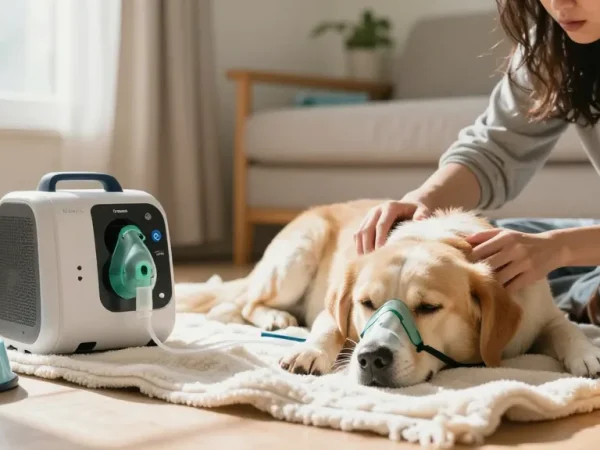
Pet oxygen therapy involves supplying supplemental oxygen to animals that experience difficulty breathing. This therapy is typically employed by veterinarians but is becoming increasingly accessible for home use through rental services. Oxygen concentrators are the most common equipment used for this purpose, supplying purified oxygen that pets inhale to alleviate their breathing issues. This therapy can be life-saving, especially for pets suffering from conditions like pneumonia, congestive heart failure, or severe asthma attacks.
Signs Your Pet Needs Oxygen Support
Recognizing when your pet may require oxygen therapy is crucial. Some common signs include:
- Labored or rapid breathing
- Weakness or lethargy
- Loss of appetite
- Coughing
- Blue-tinged gums or tongue
Any of these signs should prompt immediate consultation with a veterinarian who can diagnose the underlying issue and suggest appropriate treatment, including the potential need for oxygen therapy.
Types of Oxygen Delivery Systems
There are various systems available for delivering oxygen to pets, each designed to suit different needs and situations. The most common types include:
- Oxygen Concentrators: Devices that filter and concentrate oxygen from the ambient air, providing a continuous supply for home use.
- Portable Oxygen Concentrators: Lightweight, battery-operated devices ideal for travel or outdoor use.
- Oxygen Cages: Enclosed spaces designed to provide a controlled oxygen-enriched environment for pets, especially useful for critically ill animals.
- Oxygen Masks: Masks specifically designed for pets that need oxygen therapy without the confinement of a cage.
How to Choose the Right Pet Oxygen Equipment
Selecting the appropriate oxygen equipment for your pet is crucial and should be guided by several factors. Here we outline key considerations to help you make the right choice.
Evaluating Your Pet’s Size and Condition
Understanding your pet’s specific needs based on size and health condition is essential. Smaller pets might require specialized accessories like smaller masks or nasal cannulas, while larger pets may need more robust equipment like full-size oxygen cages. Consulting with your veterinarian can provide clarity on the best equipment tailored to your pet’s medical condition.
Home vs. Portable Oxygen Solutions
Consider where the oxygen therapy will primarily take place. If your pet requires consistent therapy at home, a stationary oxygen concentrator may be the best fit. Conversely, for pets that need oxygen therapy on the go, perhaps during travel or outdoor adventures, a portable oxygen concentrator would be more suitable. Many families benefit from a combo package that includes both options.
Essential Accessories for Effective Therapy
Along with the primary oxygen source, several accessories can enhance the effectiveness of therapy:
- Oxygen Masks: Allow for direct oxygen delivery without the need for cages.
- Nasal Cannulas: Provide a less intrusive means of administering oxygen directly to the pet.
- Humidifiers: Add moisture to the oxygen, alleviating dryness that may accompany oxygen therapy.
- Oxygen Tubing: Essential for connecting the concentrator to the delivery system.
Rental Plans for Pet Oxygen Machines
Many pet owners find it more economical to rent oxygen equipment rather than purchase it outright. Understanding the available rental options is key to accessing the right therapy for your pet.
Flexible Rental Options Overview
Rental plans often offer a variety of options, allowing pet owners to select equipment based on their specific needs. Plans may include:
- Home Oxygen Concentrator Rentals: Ideal for ongoing therapy in a stable environment.
- Portable Units: For travel and outdoor activities.
- Complete Packages: A combination of home and portable solutions for optimal flexibility.
Costs and Pricing Transparency
When considering rental plans, it is vital to evaluate costs. Many companies provide transparent pricing with no hidden fees, which can greatly assist in making an informed decision. Additionally, potential renters should check if the rental price includes delivery, setup, and maintenance services.
How to Choose the Best Plan for Your Pet
Choosing a rental plan should take into account your pet’s specific needs and how long they will require oxygen therapy. For those uncertain about the duration, starting with a trial plan can be an excellent way to assess needs before committing to a longer-term agreement.
Setting Up Your Pet Oxygen Therapy
Once you’ve secured the necessary equipment, the next step is properly setting it up to ensure your pet receives effective therapy. Here are some guidelines to follow.
Step-by-Step Guide to Equipment Setup
Setting up an oxygen concentrator is typically straightforward, but following proper procedures is essential for safety and efficacy. Begin by:
- Placing the concentrator on a flat surface in a well-ventilated area.
- Connecting the oxygen tubing to the concentrator and the delivery device (mask, cannula, or cage).
- Turning the machine on and adjusting settings based on your veterinarian’s recommendations.
Monitoring Your Pet’s Comfort and Safety
Once the equipment is set up, it’s vital to monitor your pet’s response to oxygen therapy. Look for signs of discomfort or distress. Regular checks can ensure that the equipment is functioning correctly and that your pet is breathing well.
Tips for Effective Oxygen Therapy at Home
To maximize the benefits of oxygen therapy, consider the following tips:
- Maintain a calm environment to help your pet relax.
- Ensure that the equipment is regularly checked for cleanliness and functionality.
- Keep an eye on your pet for any adverse reactions or changes in behavior.
- Incorporate regular breaks to avoid fatigue from prolonged therapy.
Frequently Asked Questions About Pet Oxygen
As pet oxygen therapy is relatively new for many, it comes with a range of questions. Below are some of the most commonly asked.
How long can a pet use oxygen therapy?
The duration of oxygen therapy largely depends on your pet’s condition. Some pets may require therapy for only a few hours, while others may need ongoing support. Always consult with your veterinarian for guidance.
What are the risks associated with oxygen therapy?
While oxygen therapy is generally safe, there are risks, including oxygen toxicity or respiratory depression. Monitoring your pet closely during therapy and adhering to your veterinarian’s instructions can minimize these risks.
How to know if my pet is comfortable with the equipment?
Signs of discomfort can include agitation, attempts to remove the equipment, or changes in behavior. If you notice any of these behaviors, contact your veterinarian for advice on adjusting the therapy.
Can I use Pet Oxygen during travel?
Yes! Many portable oxygen concentrators are designed for travel use, making it easy to provide necessary oxygen support on the go. Ensure you are familiar with the operating instructions and have adequate battery life for your travels.
What steps to take if my pet shows distress?
If your pet exhibits signs of distress during oxygen therapy, immediately check the equipment for any malfunctions. If everything appears functional but your pet is still in distress, remove the equipment and contact your veterinarian right away.