
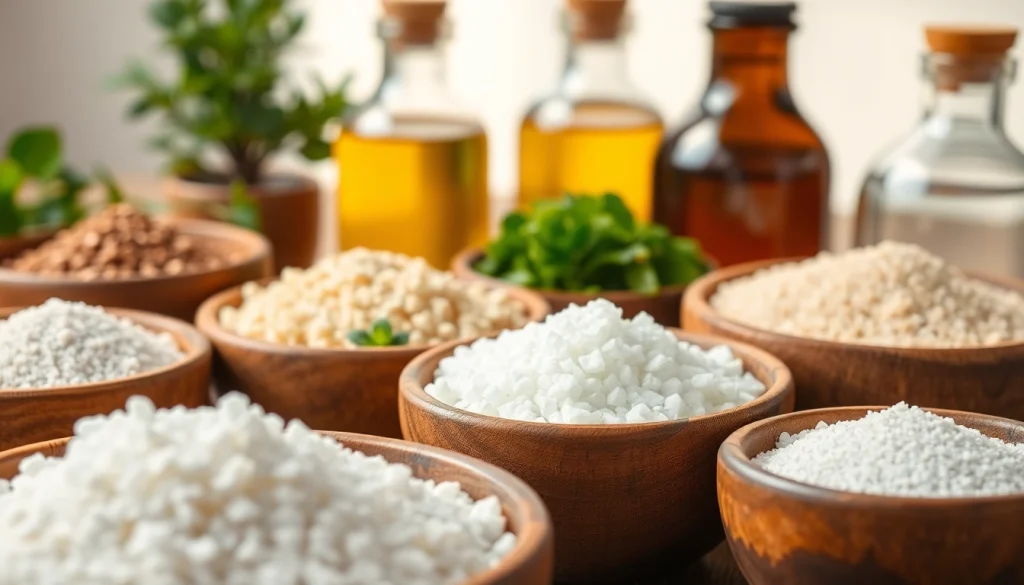
What is Bulk Sweetener?
Definition and Composition
Bulk sweeteners are substances that provide sweetness in food and beverages without contributing significant calories, serving as a practical alternative to traditional sugar. Comprising primarily sugar alcohols, fibers, or other natural and artificial compounds, bulk sweeteners can maintain the volume and mouthfeel associated with sugar, making them valuable in various culinary applications. Notably, these sweeteners mimic the sweetness of sugar, allowing for a balanced flavor profile in low-calorie food products. For those interested in exploring options for integrating sweeteners into their diets, resources like bulk sweetener recipes are available.
Common Examples of Bulk Sweeteners
Among the most common bulk sweeteners are erythritol, maltitol, sorbitol, and isomalt. These sugar alcohols occur naturally but are often manufactured for large-scale use. For instance, erythritol is nearly non-caloric and exhibits about 60-70% of the sweetness of table sugar without the associated blood sugar spikes, making it a preferred choice for health-conscious consumers. Other examples include inulin and soluble corn fiber, which add sweetness along with dietary fibers, contributing to digestive health while retaining a satisfying texture in food products.
Health Benefits of Bulk Sweeteners
One of the primary health benefits of using bulk sweeteners is their minimal impact on blood sugar levels. This is particularly advantageous for diabetics or those aiming to reduce their sugar intake. Additionally, many bulk sweeteners are low in calories, helping individuals manage their weight without sacrificing sweetness. Moreover, certain bulk sweeteners like inulin not only add sweetness but also provide dietary fiber, promoting healthier digestion. Some studies even suggest potential benefits for dental health, as these alternatives do not contribute to cavity formation as traditional sugars do.
Types of Bulk Sweetener
Sugar Alcohols
Sugar alcohols are a category of bulk sweeteners that include erythritol, sorbitol, and maltitol. These compounds are derived from sugars through hydrogenation, leading to lower calorie content than traditional sugars. They tend to have a lower glycemic index, making them suitable for diabetic diets. However, it’s important to consume sugar alcohols in moderation, as they can cause digestive upset in some individuals when consumed in excess. Despite this, their ability to retain moisture in baked goods makes them a popular choice among food formulators.
Natural Bulk Sweeteners
Natural bulk sweeteners are derived from plants and include options such as stevia, monk fruit, and agave nectar. These sweeteners provide a soluble, sweet taste without the caloric content associated with sugar. Stevia, for instance, is derived from the leaves of the Stevia rebaudiana plant and is much sweeter than sugar, leading to less usage in recipes while still achieving the desired sweetness level. Monk fruit extract is another natural option gaining popularity, known for its zero-calorie content and low glycemic index.
Artificial Bulk Sweeteners
Artificial bulk sweeteners include saccharin, aspartame, and sucralose, which are designed to mimic the sweetness of sugar while adding no or minimal calories. These synthetic sweeteners can be highly effective at delivering sweetness in foods and beverages, often found in diet products. While they are regulated for safety and are generally recognized as safe by various health agencies, ongoing debates about their long-term health effects remain. It’s vital for consumers to understand both the benefits and potential controversies surrounding these sweeteners to make informed dietary choices.
Buying Guide for Bulk Sweetener
How to Choose the Right Bulk Sweetener
When selecting a bulk sweetener, consider various factors including sweetness level, caloric content, health benefits, and compatibility with your dietary needs. For instance, if you are looking for a low-calorie option, erythritol and stevia can be ideal choices. Likewise, those monitoring their glycemic index may prefer natural sweeteners like monk fruit or agave. It’s also essential to evaluate the flavor profiles, as some sweeteners may have an aftertaste that impacts the overall culinary experience.
Price Comparison and Value
Bulk sweeteners can vary widely in price, influenced by production methods, sourcing of raw materials, and brand positioning. Often, natural and organic options come at a premium compared to synthetic alternatives. By purchasing in bulk, consumers can benefit from better pricing and reduced packaging waste, particularly for frequently used sweeteners. It’s advisable to compare prices across different platforms and stores, keeping in mind shipping costs, especially when buying online.
Where to Buy Bulk Sweetener
Consumers can purchase bulk sweeteners from various sources, including health food stores, large grocery chains, bulk retailers, and online marketplaces. Local stores may have options available in different forms, such as powder, granules, or liquids. For more concentrated sweeteners, online options could provide a wider selection and competitive prices. Reading product reviews can also help in choosing from the plethora of options available.
Applications of Bulk Sweetener in Cooking
Baking with Bulk Sweetener
Baking requires careful considerations when substituting sugar with bulk sweeteners. The moisture retention and volume provided by bulk sweeteners can contribute significantly to the texture of baked goods. For successful outcomes, it’s essential to use the correct ratios; for example, using erythritol in a 1:1 ratio with sugar may yield satisfactory results, while other sweeteners may require adjustments. Additionally, experimenting with combinations of sweeteners can help achieve a balanced sweetness without compromising the recipe’s integrity.
Cooking and Meal Prep
In savory cooking, bulk sweeteners can enhance flavors without the detrimental effects associated with sugar. They can be added to sauces, marinades, and dressings to achieve a desired depth of flavor. When meal prepping, bulk sweeteners provide a convenient, low-calorie option to sweeten meals and snacks, making them suitable for those maintaining a health-conscious lifestyle. Furthermore, bulk sweeteners can assist in caramelization, browning, and enhancing the richness of dishes.
Sweetening Beverages
Many people incorporate bulk sweeteners into their beverages, whether it’s sweetening coffee, tea, or smoothies. Since some sweeteners are much sweeter than sugar, they should be used sparingly to avoid overpowering the drink’s natural flavors. Powdered variations can dissolve rapidly, making them an excellent choice for cold beverages. When used in smoothies, they can add sweetness without excessive calories, supporting a balanced nutritional profile.
Frequently Asked Questions About Bulk Sweetener
What is the difference between bulk and intense sweeteners?
Bulk sweeteners provide a volume similar to sugar and may have some calories, while intense sweeteners are calorie-free and used primarily for sweetness without volume.
Are bulk sweeteners safe for diabetics?
Yes, many bulk sweeteners, like erythritol and stevia, have a low glycemic index and do not significantly affect blood sugar levels, making them suitable for diabetics.
Can bulk sweeteners be used in all recipes?
Not all bulk sweeteners are interchangeable. Their effectiveness can vary based on the recipe, particularly regarding taste and texture. Adjustments may be necessary.
What is the caloric content of bulk sweeteners?
The caloric content varies widely among bulk sweeteners. For example, erythritol has about 0.2 calories per gram, making it nearly calorie-free, while others may have higher counts.
How to store bulk sweeteners effectively?
Store bulk sweeteners in a cool, dry place in an airtight container to prevent moisture absorption and loss of sweetness. Check expiration dates periodically.

