Understanding Event Videography
What is Event Videography?
Event videography is the process of capturing moving images and sounds during events, creating a visual storytelling format that encapsulates the atmosphere and emotions of the occasion. This form of videography goes beyond simply recording an event; it involves planning, creativity, and technical skills to produce a narrative that reflects the essence of the experience. From weddings and corporate functions to concerts and community gatherings, event videography serves as a valuable medium for preserving memories.
Importance of Event Videography
The significance of event videography cannot be underestimated. In addition to providing a documented record of significant moments, it offers insights and emotions that static photography may not capture. Videos allow viewers to re-experience events in a way that transports them back to those moments, enhancing nostalgia and connection. Whether for personal keepsakes or marketing content, conducting event videography secures a powerful storytelling platform that can be shared across numerous channels.
Types of Events Ideal for Videography
Various types of events benefit from videography, including:
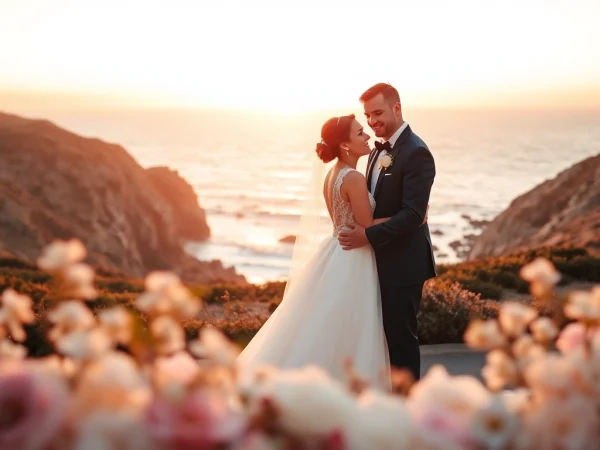
- Weddings: Capturing emotional vows, celebrations, and candid moments.
- Corporate Events: Documenting conferences, training sessions, and product launches for promotional use.
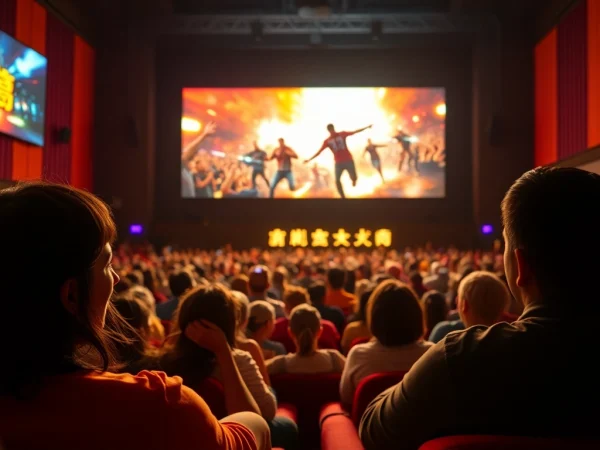
- Concerts and Festivals: Showcasing performances and audience reactions.
- Sporting Events: Preserving thrilling moments and highlights.
- Community Events: Featuring reunions, fundraisers, or parades to strengthen community bonds.
Essential Equipment for Event Videography
Cameras and Lenses
A good camera is the foundation of quality videography. Camcorders and DSLR or mirrorless cameras with video capabilities are popular choices. When it comes to lenses, wide-angle lenses are excellent for capturing large groups, while zoom lenses provide versatility for different settings. Stabilizers, such as gimbals, are also crucial for smooth footage, especially during dynamic shoots.
Sound Equipment
High-quality audio can make or break a video. Invest in external microphones, such as lavalier mics for interviews or shotgun mics for directional audio, to significantly improve sound quality. Additionally, portable audio recorders can serve as backups or primary audio capture devices. Always consider the acoustics of the venue, as this can greatly influence sound clarity.
Lighting Tools
Artificial lighting can enhance videography, especially in low-light conditions. Using LED lights or softboxes can ensure subjects are adequately lit without harsh shadows. Understanding natural light sources and how they interact with the event environment is also vital. Consider the position of windows or overhead lights and how these affect your shots.
Planning Your Videography Shoot
Creating a Shot List
A well-thought-out shot list is essential. It serves as a roadmap to ensure important moments are not missed. Include a mix of staged shots, candid moments, and various angles. Engage with the client to identify key moments they want captured, incorporating their desires into your overall vision.
Understanding Event Timelines
Each event has its own timeline, which influences when and how you capture footage. Familiarizing yourself with the schedule helps anticipate critical moments, like speeches, performances, or other milestones. Allocate enough time for setup, capturing pre-event footage, and being flexible to adapt to any unforeseen changes.
Coordinating with Event Planners
Effective communication with event planners is key. Collaborate closely with them to understand logistical details, venue specifications, and any potential challenges. This coordination helps streamline the shooting process, ensuring you’re aligned on the vision and execution of the videography.
Techniques to Enhance Your Videography
Camera Angles and Movement
Utilizing various camera angles and incorporating movement can add dynamics to your videos. Experiment with wide shots to capture the venue and close-ups for emotional expressions. Panning, tilting, or using a slider for movement can enhance the storytelling aspect. Always keep the viewer’s perspective in mind to create engaging content.
Editing Tips for Polished Videos
Post-production is where the magic happens. Use software like Adobe Premiere Pro or Final Cut Pro to craft a cohesive story. Pay attention to color grading, audio synchronization, and sound design. Integrate transitions that fit the pacing of the content while ensuring the flow appears natural. Quick edits and engaging visual effects can keep the audience’s attention.
Incorporating Interviews and Testimonials
Interviews with guests, speakers, or hosts can provide valuable insights and reflections on the event. Incorporate testimonials to add credibility and authenticity to the video. Plan and prepare questions ahead of time to elicit thoughtful responses that resonate with the intended audience.
Measuring Success in Event Videography
Gathering Client Feedback
Feedback is crucial to honing your videography skills and services. After delivering the final video, solicit client reviews and suggestions. This feedback can guide your future projects, helping you understand what aspects resonated with clients or what improvements can be made.
Using Metrics to Assess Impact
To measure the success of your videography, track viewer engagement metrics such as views, shares, and comments on uploaded content. Look for patterns in audience response, particularly regarding favorite scenes or themes. These insights inform your style and approach for future videography projects.
Building a Portfolio for Future Opportunities
A strong portfolio showcases your best work, providing potential clients with insight into your style and capabilities. Include a variety of projects, highlighting different types of events and techniques used. Regularly update your portfolio to reflect growth in skills, equipment, and overall approach to videography.
Frequently Asked Questions
1. What is the cost of event videography?
The cost varies based on factors like event duration, location, and complexity. Packages typically range from a few hundred to several thousand dollars, depending on the services offered.
2. How long will it take to receive the final video?
Delivery time depends on the project’s scope. Generally, final edits take 2-4 weeks, but this can vary based on client requirements and editor workload.
3. Can I provide input on the video editing process?
Yes, most videographers welcome client feedback during the editing phase. Communicate your preferences and any specific elements you’d like to see included.
4. Do you offer drone videography?
Many event videographers now offer drone capabilities for stunning aerial shots. Confirm availability and any additional costs associated with this service.
5. What happens if there are technical issues on the event day?
Experienced videographers come equipped with backup equipment and contingency plans to handle technical difficulties, ensuring smooth operations throughout the event.