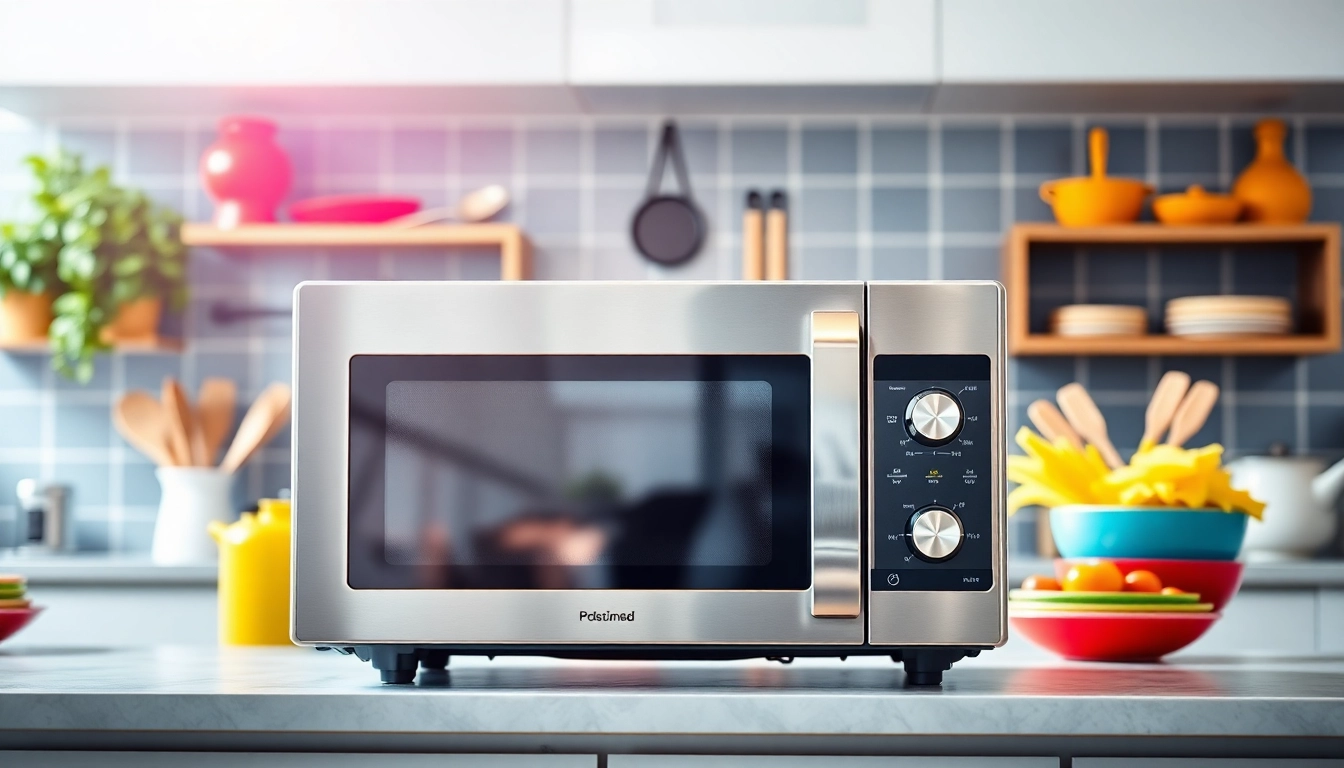
Understanding the Microwave Oven
What is a Microwave Oven?
A microwave oven is an essential kitchen appliance used for heating and cooking food through the use of electromagnetic radiation in the microwave frequency range. Unlike traditional ovens that rely on conventional heat transfer, microwave ovens emit microwaves that agitate water molecules in food, resulting in rapid heating. Their compact design and versatility make them popular across households, catering to various culinary needs, from reheating leftovers to cooking meals from scratch. For anyone looking to simplify meal prep, integrating a microwave oven into their kitchen can yield significant benefits.
How Does a Microwave Oven Work?
The core operation of a microwave oven hinges on its ability to generate electromagnetic waves, specifically microwaves, through a component called the magnetron. When the oven is turned on, these microwaves penetrate the food and cause water molecules to vibrate at a high frequency. This vibration produces heat, which then cooks the food evenly.
Microwave ovens typically feature multiple power levels, allowing users to control the intensity of the heating process. Additionally, most models come equipped with a turntable that ensures even cooking by rotating the food during the heating cycle. Understanding this working mechanism is crucial for getting the best performance from your microwave oven and optimizing your cooking methods.
Types of Microwave Oven
Microwave ovens come in various types, each designed to meet different cooking needs and spatial constraints. Here are the primary categories:
- Countertop Microwave Ovens: These are most common in households. They sit on countertops and are portable, requiring no permanent installation.
- Over-the-Range Microwave Ovens: These combine a microwave with a range hood, saving space while providing ventilation options for your kitchen.
- Built-In Microwave Ovens: Installed directly into the cabinetry, built-in microwaves offer a streamlined look and free up counter space.
- Convection Microwave Ovens: This hybrid option uses both microwave and convection cooking technology, allowing for even browning and crisping, ideal for baking.
Essential Features to Consider
Power Levels and Cooking Efficiency
When selecting a microwave oven, understanding power levels is crucial. Most microwaves range from 600 watts to 1200 watts. Higher wattage means faster cooking and reheating times but may lead to uneven cooking if not monitored carefully. It's ideal to choose a microwave oven that offers adjustable power levels, enabling users to tailor cooking settings to specific dishes effectively.
Size and Capacity of Microwave Oven
The size and capacity of a microwave oven should align with your kitchen space and cooking habits. Countertop models typically range from 0.5 to 2.2 cubic feet. Smaller capacities are suitable for quick meals and reheating, while larger capacities enable cooking multiple items or bigger dishes simultaneously. It's essential to account for the microwave's exterior dimensions and ensure there is adequate ventilation space around it for optimal performance.
Safety Features in Microwave Oven
Safety is a critical consideration when using microwave ovens, especially in homes with children. Look for features like a child safety lock, which prevents accidental operation. Additionally, many modern microwave ovens incorporate sensors that can automatically stop the cooking process when the food is finished, minimizing the risk of overcooking or burning. Proper ventilation and steam vents are also vital for reducing the risk of overheating.
Benefits of Using a Microwave Oven
Time-Saving in Meal Preparation
The primary advantage of using a microwave oven lies in its ability to save time during meal preparation. Compared to traditional ovens, microwaves heat food much faster, making them invaluable for busy households. Users can quickly defrost frozen items or rapidly cook complete meals with minimal supervision, allowing for multitasking in the kitchen and streamlining cooking processes.
Energy Efficiency of Microwave Oven
Microwave ovens are typically more energy-efficient than conventional ovens. They require less energy to operate because they heat food directly rather than the surrounding air. This efficiency is especially noteworthy when preparing small meals or reheating leftovers, as the reduced cooking time translates into energy savings over time. A well-chosen microwave can significantly lower utility bills and reduce your carbon footprint.
Reheating vs Cooking with Microwave Oven
While many users primarily rely on microwave ovens for reheating, they can also be effectively used for cooking. Certain foods, such as vegetables and grains, cook exceptionally well in microwaves, preserving nutrients and flavors due to the rapid cooking process. Understanding the differences between reheating and cooking can enhance your kitchen skills, allowing for impressive meal creations with minimal effort while utilizing the microwave's full potential.
Maintenance and Care Tips
Cleaning the Microwave Oven
Regular cleaning of your microwave oven is essential for optimal performance and longevity. Use a damp cloth or sponge with a mixture of water and vinegar or a mild detergent to wipe down the interior surfaces. For tough stains or food splatters, attempting to soak them with a microwave-safe bowl of water for a few minutes can help loosen debris and make cleaning easier. Avoid abrasive materials that could scratch the surfaces.
Common Issues and Troubleshooting
Despite their convenience, microwave ovens can encounter common issues such as not heating food properly, unusual noises, or malfunctioning turntables. For units that are not heating, checking the power supply or ensuring the door is properly closed can often resolve the problem. If unusual noises occur, it could signify a failing magnetron or turntable motor. Consulting the user manual is advisable for troubleshooting specific issues.
Extending the Lifespan of Microwave Oven
To extend the lifespan of your microwave oven, straightforward practices such as making a habit of cleaning it regularly, using microwave-safe containers, and avoiding overheating of food are essential. Keeping the vents and grills clear and preventing grease buildup can also enhance performance and prevent damage. Additionally, scheduling routine check-ups or preventive maintenance can keep your microwave running smoothly over time.
FAQs About Microwave Oven
What is the average lifespan of a microwave oven?
The average lifespan of a microwave oven is typically between 9 to 10 years, depending on its usage and maintenance. Regular care can extend this lifespan.
Can a microwave oven replace a traditional oven?
While a microwave oven can handle many cooking tasks, it isn't a complete substitute. It’s great for reheating and quick cooking, but traditional ovens excel at baking and broiling, providing crispy textures.
How to choose the right size microwave oven?
Choosing the right size involves assessing your kitchen space and typical meal sizes. Countertop models suit small kitchens, while larger built-in options work better for those with significant cooking needs or space.
Are convection microwave ovens worth it?
Convection microwave ovens are worth it if you love baking or roasting, as they combine traditional and microwave cooking methods, ensuring even cooking and browning.
What can I cook in a microwave oven?
You can cook a wide variety of foods in a microwave oven, including vegetables, pasta, rice, and even some meats. It’s also suitable for baking, such as cakes and muffins, if you choose the right recipe.