What is Drayage?
Definition and Significance
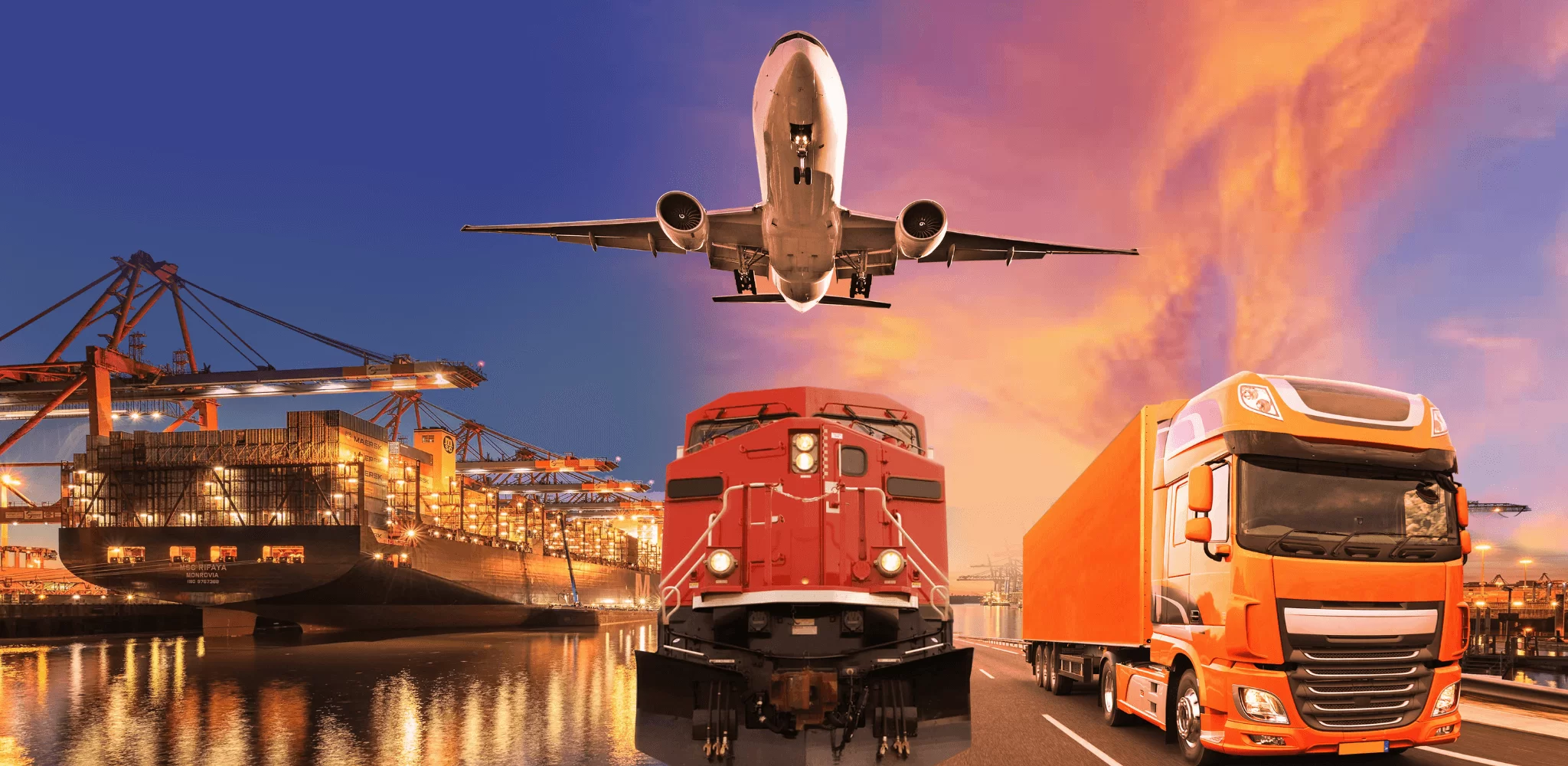
Drayage refers to the transportation of shipping containers and freight over short distances, typically by truck. This essential service acts as a critical link in the supply chain, facilitating the movement of goods from ports or rail yards to their final destinations, such as warehouses or distribution centers. By effectively managing drayage, businesses can enhance their logistics efficiency and streamline operations, making it a significant topic in transportation and logistics management. Moreover, the concept of drayage often encompasses various cost factors, including terminal handling, pickup, and delivery fees, which can vary based on geographical area and service type. A comprehensive understanding of drayage is essential for companies engaged in shipping and logistics.
Types of Drayage Services
Drayage services can be categorized into several types based on the movement’s purpose and the mode of transportation involved. Here are some of the main types:
- Intermodal Drayage: This service involves the transportation of containers between different modes of transport, such as from a rail yard to a port.
- Transloading Drayage: This is necessary when cargo is moved from one container to another, typically to facilitate different transportation zones.
- Intra-City Drayage: This refers to short-distance transport within a city, usually less than 50 miles, often connecting local freight activities.
- Expedited Drayage: For urgent deliveries, expedited drayage services ensure quick transportation, often in cases of tight deadlines.
- Dedicated Drayage: It involves using a dedicated fleet to handle specific shipments consistently, providing reliability and improved visibility for shippers.
How Drayage Fits into Supply Chain Management
Drayage is a vital component of supply chain management, acting as the bridge between various transportation modes. Its significance lies in the ability to optimize the flow of goods and minimize delays. Effective drayage management leads to improved inventory control and better demand forecasting, adhering to just-in-time (JIT) principles. Integrating drayage with overall logistics planning can enhance shipment tracking, promote transparency, and foster better relationships with shipping partners, thus contributing to a more resilient supply chain.
Key Components of Drayage Operations
Equipment Used in Drayage
Drayage operations utilize various types of equipment to ensure the safe and efficient transport of goods. Some critical equipment includes:
- Trucks: Heavy-duty trucks, such as container chassis and flatbed trucks, are essential for moving cargo.
- Containers: Standardized containers (such as TEUs—Twenty-foot Equivalent Units) facilitate easy loading and unloading.
- Forklifts: Used for loading and unloading containers at ports and warehouses.
- Intermodal Equipment: Equipment designed specifically for transferring containers between different modes of transportation, instrumental in intermodal drayage.
Types of Drayage Carriers
Drayage carriers play a pivotal role in moving freight through the supply chain. There are generally two main types:
- Asset-Based Carriers: These companies own and operate their fleet of trucks and equipment, offering more control over service quality, pricing, and availability.
- Non-Asset-Based Carriers: Often referred to as freight brokers, these companies connect shippers with available trucks without owning the transportation assets themselves. They can provide flexibility and access to a broader network of carriers.
Common Challenges Faced
While drayage is an indispensable part of logistics, it is not without its challenges:
- Traffic Congestion: Urban areas with heavy traffic can cause delays in drayage operations, impacting delivery schedules.
- Port and Terminal Efficiency: Bottlenecks at ports and terminals can hinder the smooth transition of containers, causing disruptions.
- Rising Costs: Fluctuating fuel prices and increasing labor costs can strain drayage operations, impacting profitability.
- Regulatory Compliance: Drayage companies must navigate various local, state, and federal regulations, which can add complexity to operations.
Benefits of Efficient Drayage
Cost Savings and Time Efficiency
Efficient drayage operations lead to significant cost savings and time efficiency. By optimizing routing, minimizing bottlenecks, and improving scheduling, companies can reduce unnecessary expenditures associated with fuel, labor, and equipment. Fast and reliable drayage services also contribute to enhanced customer satisfaction, as businesses can meet delivery timelines and respond to changing demands swiftly.
Environmental Impact Considerations
As environmental concerns grow, the logistics industry is under pressure to reduce its carbon footprint. Efficient drayage can contribute to sustainability efforts by minimizing transportation distances and maximizing load capacities. Utilizing eco-friendly vehicles, improving route planning, and employing intermodal systems can reduce emissions associated with freight transportation. Companies focused on reducing their environmental impact may find a competitive edge in the market.
Case Studies of Successful Drayage
Many organizations have introduced innovative drayage strategies resulting in increased efficiency and profitability:
- Company A: A leading retail chain implemented a real-time tracking system for drayage, improving visibility and reducing delays by 20%.
- Company B: By partnering with a non-asset-based carrier, a logistics firm successfully expanded its network, increasing its capacity to meet fluctuating demands without significant capital investments.
- Company C: A major e-commerce platform adopted electric trucks for its drayage operations, significantly reducing its carbon footprint and appealing to environmentally conscious consumers.
Best Practices for Drayage Management
Effective Scheduling Techniques
Scheduling is critical in drayage to ensure timely deliveries and minimize waiting times. Companies should adopt advanced scheduling techniques, including:
- Real-Time Tracking: Implement tracking systems that provide accurate information on the location and status of shipments.
- Dynamic Scheduling: Use algorithms and analytics to adjust schedules based on real-time traffic data, weather conditions, and other variables.
- Collaborative Planning: Foster collaboration among stakeholders in the supply chain to improve forecasting and planning, reducing unexpected delays.
Partnering with Reliable Drayage Providers
Choosing the right drayage partner can significantly influence a company's logistics performance. Businesses should evaluate potential providers based on their experience, capacity, tech integration, and client reviews. A reliable partner will ensure consistent service quality, which can enhance operational resilience.
Utilizing Technology in Drayage
The integration of technology plays a pivotal role in transforming drayage operations. Modern technologies can enhance efficiency through:
- Automation: Automating manual processes can reduce errors and increase throughput in drayage operations.
- Data Analytics: Advanced analytics can help organizations gain insights into performance metrics, leading to process improvements and cost reductions.
- Artificial Intelligence: AI can optimize routing and scheduling, responding dynamically to fluctuations in demand and traffic conditions.
Future of Drayage Services
Emerging Trends in the Industry
As the logistics industry evolves, several trends are emerging that will shape the future of drayage services:
- Digital Transformation: Embracing digital solutions will enable real-time communication and collaboration among supply chain partners, enhancing efficiency and visibility.
- Green Logistics: The push for sustainability will lead to increased adoption of eco-friendly transportation methods and technologies in drayage.
- Blockchain Technology: This technology may streamline documentation and cargo tracking within the supply chain, enhancing security and transparency.
Adapting to Regulatory Changes
As governments respond to changing environmental and safety concerns, drayage providers must stay informed and adaptable. Companies should proactively update their operations and training programs to comply with new regulations, ensuring minimal disruption to service and avoiding penalties.
The Role of Digital Transformation
Digital transformation is revolutionizing how drayage is managed. Companies that leverage technology to improve visibility, communication, and operational efficiency are more likely to thrive in today's competitive landscape. Investing in technology not only supports compliance with regulations but also enhances customer relationships and drives business growth.