Understanding Event Videography Essentials
Definition and Importance of Event Videography
Event videography is the art and practice of capturing moving images during various events, such as weddings, corporate gatherings, parties, and other celebrations. Unlike traditional photography, which freezes a moment in time, videography allows for dynamic storytelling by capturing the movement, emotions, and sounds that define an experience. The significance of event videography lies in its ability to convey a richer narrative. It provides a lasting record, allowing individuals and organizations to relive the atmosphere and emotional undertones of their special occasions.
Key Equipment Needed for High-Quality Videography
To achieve high-quality results in event videography, proper equipment is crucial. Essential tools include:
- Cameras: Invest in a reliable DSLR or mirrorless camera that records in high resolution.
- Lenses: Use a variety of lenses for different focal lengths—wide-angle for large groups and telephoto for close-ups.
- Stabilizers: Gimbals or steadicams help in achieving smooth footage, particularly in dynamic environments.
- Microphones: External microphones capture better audio quality than built-in camera mics, essential for speeches and ambient sounds.
- Lighting Equipment: Portable lights or reflectors can enhance visibility in low-light settings.
Planning Your Event Videography Strategy
Effective planning is key to successful event videography. This involves:
- Understanding the Client's Vision: Discuss with clients to identify their expectations and any specific moments they want captured.
- Scout Locations: Visit the venue beforehand to assess lighting conditions, potential angles, and unique features.
- Develop a Shot List: Create a list of essential shots to ensure that no significant moments are missed during the event.
- Rehearsals: Coordinate with event organizers to run through the agenda, including key speeches or performances.
Techniques for Effective Filming
Camera Angles and Movements to Enhance Storytelling
Utilizing diverse camera angles and movements can significantly elevate the storytelling aspect of your footage. Techniques include:
- Wide Shots: Capture the overall scene for context, letting viewers understand the environment and atmosphere.
- Close-Ups: Use tight framing for emotional expressions and details, drawing attention to significant interactions.
- Panning and Tilting: Slow pans and tilts add a sense of motion and can guide viewers’ attention through a scene.
- Dolly Shots: Moving the camera towards or away from a subject can create depth and perspective shifts.
Utilizing Lighting for Best Results in Various Environments
Lighting plays a pivotal role in achieving visually stunning videography. Different settings require unique approaches:
- Natural Light: Utilize available light, particularly during golden hour, to achieve soft and flattering results.
- Artificial Lighting: When indoors or in dim conditions, strategically place softboxes or LED lights to illuminate the scene.
- Backlighting: Experiment with backlighting to create silhouettes or highlight subjects against dynamic backgrounds.
Sound Capture Techniques in Event Videography
Audio quality can make or break a video. Effective sound capture techniques include:
- Directional Microphones: Use shotgun mics to capture specific sounds while minimizing background noise.
- Lavalier Mics: Clip-on mics for speakers or performers ensure clear voice capture, especially in crowded spaces.
- Auditory Awareness: Be mindful of ambient sounds; capture the atmosphere in a way that enhances storytelling.
Post-Production Tips for Event Videography
Editing Basics to Enhance Your Footage
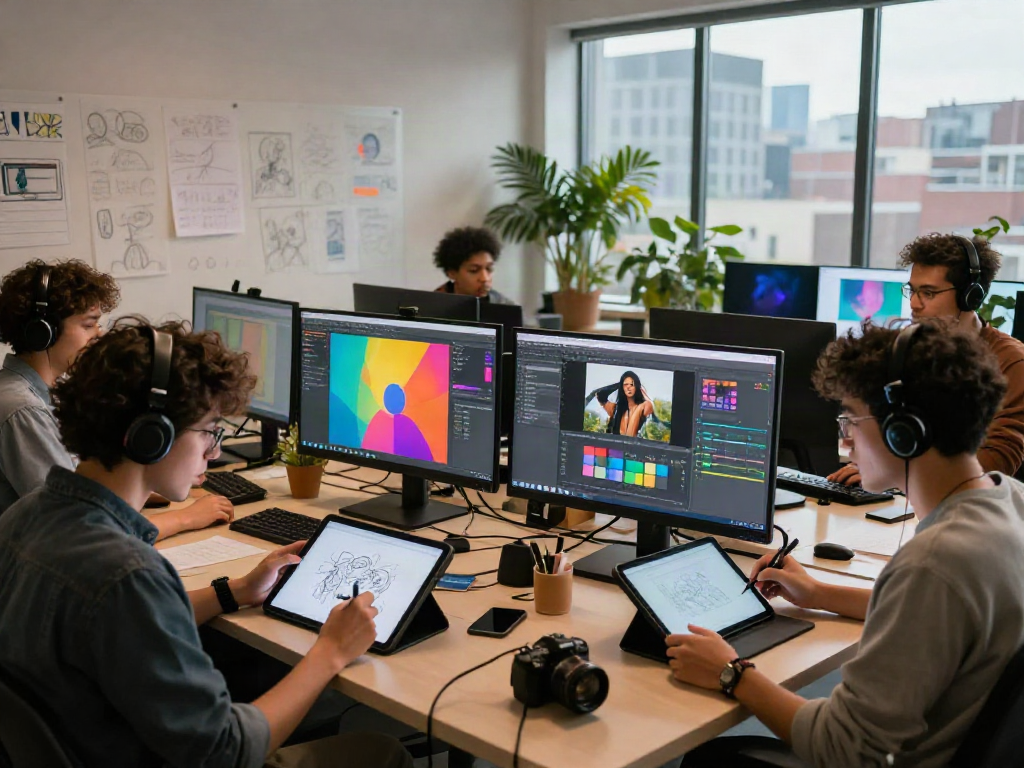
Editing is where your vision comes to life. Basic editing steps include:
- Organizing Your Footage: Label and categorize clips for easy access when editing.
- Creating a Rough Cut: Lay out your footage according to the shot list for a preliminary view of the story.
- Fine-Tuning: Trim clips, adjust timing, and ensure a smooth flow between scenes.
Adding Music and Sound Effects Effectively
Sound can evoke emotions and elevate your video’s impact. When adding music and sound effects:
- Choose Appropriate Music: Select tracks that match the event's tone—joyful music for weddings, corporate for business events.
- Balance Audio Levels: Ensure dialogue is clear against background music; adjust levels for a cohesive sound experience.
- Copyright Considerations: Only use royalty-free music to avoid copyright issues and ensure the legality of your work.
Color Grading Techniques for Cinematic Appeal
Color grading enhances the visual storytelling of your footage. Techniques include:
- Consistency: Match the colors across various clips to maintain a cohesive look.
- Emotive Colors: Adjust hues to elicit specific feelings and enhance the narrative's emotional aspect.
- Use LUTs: Look-Up Tables streamline color grading, providing a professional-quality look.
Marketing Your Event Videography Services
Creating an Online Presence with a Portfolio
Having a strong online presence is essential for attracting clients. Your portfolio should showcase:
- Diverse Projects: Display a variety of events to reflect your adaptability and unique style.
- High-Quality Clips: Feature your best work, ensuring clear and striking visuals.
- Client Testimonials: Positive feedback amplifies credibility and helps potential clients choose your services.
Social Media Strategies to Attract Clients
Utilize social media platforms to showcase your work and engage with your audience:
- Instagram and Facebook: Post highlights and behind-the-scenes content to generate interest and connect with followers.
- Video Platforms: Utilize platforms like YouTube to share full-length videos or highlight reels.
- Engagement: Interact with your audience through comments, shares, and collaborations with other vendors.
Networking in the Event Planning Community
Building relationships with event planners and related professionals can develop valuable opportunities:
- Join Associations: Becoming part of industry organizations helps you access resources and connect with other professionals.
- Attend Events: Participate in networking events, expos, and workshops to meet potential clients and collaborators.
- Referral Systems: Establish referral programs with event planners to exchange leads and clients.
Measuring Success in Your Event Videography Business
Client Feedback and Adjustments for Improvement
Continuously seek client feedback to enhance service quality:
- Surveys and Testimonials: Collect client opinions to understand what worked and what can be improved.
- Follow-Up Consultations: Offer sessions post-event to discuss footage and address any concerns.
Tracking Engagement Metrics for Video Performance
Analyzing how viewers interact with your videos helps improve future projects:
- View Counts: Monitor the number of views to gauge interest.
- Engagement Rates: Analyze likes, shares, and comments to assess viewer connection.
- Watch Time: Track how long viewers are watching videos to understand their engagement level.
Expanding Your Offerings Based on Market Trends
Stay informed about industry trends and expand your services accordingly:
- Emerging Technologies: Consider incorporating drone videography or 360-degree video to appeal to tech-savvy clients.
- Complementary Services: Explore options like live-streaming events or offering photography along with videography.
Frequently Asked Questions
What is event videography?
Event videography focuses on capturing live events on video, providing a dynamic record that conveys emotion and atmosphere beyond still photography.
What equipment do I need for event videography?
Essential equipment includes a high-quality camera, various lenses, stabilizers, external microphones, and lighting options to adapt to different environments.
How can I improve the audio quality in my videos?
Utilize external microphones, choose quiet locations, and consider using audio editing software to balance sound levels during post-production.
What should I include in my videography portfolio?
Your portfolio should showcase a variety of events, highlight your best work, and include testimonials from satisfied clients to demonstrate your expertise.
How do I market my event videography services?
Develop an online presence through a professional website and active social media accounts, and network within the event planning community to attract new clients.