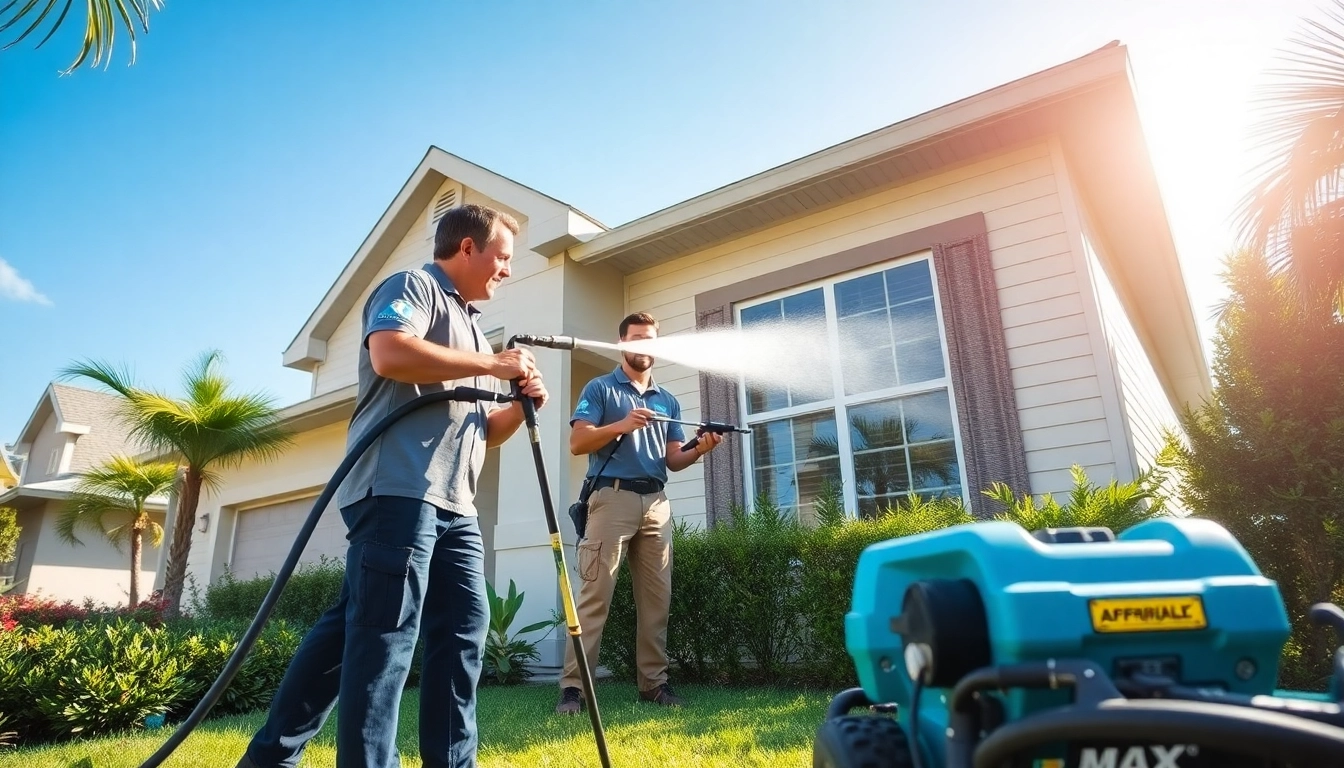
Understanding Soft Wash: The Basics
In the quest to maintain pristine exteriors, soft wash has emerged as a superior cleaning method, particularly suited for delicate surfaces. Unlike traditional pressure washing, which employs high pressure to blast away dirt and grime, soft washing relies on a more gentle approach. This method is designed specifically for surfaces that can be easily damaged, such as roofs, siding, and painted surfaces.
What is Soft Washing?
Soft washing is a cleaning technique that utilizes low-pressure water mixed with biodegradable detergents. This mixture works to break down and eliminate dirt, mold, algae, and other contaminants without causing any harm to the surface underneath. It is particularly effective for cleaning roofs and siding, both of which can easily sustain damage from high-pressure washing methods.
Benefits of Soft Washing vs. Traditional Pressure Washing
- Gentler on Surfaces: Soft washing uses a low-pressure application, making it ideal for sensitive materials like wood, shingles, and vinyl siding.
- Long-Lasting Results: The cleaning agents used in soft washing not only clean the surface but also prevent the regrowth of algae and mold for longer periods.
- Eco-Friendly: Many soft wash solutions are biodegradable, making them a safer choice for the environment.
- Improved Curb Appeal: A soft wash can restore the original appearance of your home, enhancing its curb appeal significantly.
Essential Equipment for Soft Washing
The effectiveness of soft washing hinges on using the right equipment:
- Soft Wash System: This includes a pump capable of low pressure, which is essential for applying cleaning solutions without damaging surfaces.
- Biodegradable Cleaning Solutions: These detergents are crucial for breaking down dirt and organic growth without harming the environment.
- Specialized Nozzles: These nozzles help control the flow and pressure of the water, ensuring an even application of the cleaning solution.
- Protective Gear: Due to the use of chemicals, operators should wear gloves, goggles, and masks for safety.
The Science Behind Soft Washing Solutions
Understanding the chemistry of soft washing solutions is key to maximizing cleaning efficiency while ensuring safety. The right balance of water, detergent, and bio-agents can lead to significantly better outcomes.
Eco-Friendly Cleaning Agents: What to Use
When selecting cleaning agents for soft washing, look for options that are biodegradable and constitute low toxicity levels. Common components include:
- Sodium Hypochlorite: Effective for killing mold and mildew.
- Surfactants: These help the cleaning solution adhere to surfaces for better penetration of dirt and grime.
- Phosphates: Used in moderation, they can enhance the cleaning power of your solution while remaining eco-friendly.
How Soft Wash Works on Different Surfaces
Soft washing is versatile and can be applied to various surfaces, including:
- Roofs: Prevents damage while effectively removing algae and moss.
- Siding: Cleans without risk of denting or scratching.
- Decks and Patios: Restores the wood grain and color without pressure-induced wear.
Safety Measures for Effective Soft Washing
When conducting soft washing, safety should always be a priority. This includes:
- Wearing appropriate protective gear to avoid exposure to chemicals.
- Rinsing nearby plants and landscapes to prevent damage from overspray.
- Checking weather conditions to avoid washing on windy or rainy days.
Preparing Your Home for a Soft Wash
Preparation can significantly enhance the efficiency and results of a soft wash. Here are steps to get ready.
Assessing Your Home's Exterior Condition
Inspect your home’s exterior for any underlying issues before scheduling a soft wash. Look for:
- Cracks or damage that may require repair.
- Areas heavily affected by mold or mildew that need extra attention.
- Plants or furniture that need to be relocated to prevent damage.
Scheduling Your Soft Wash: Timing and Frequency
Choosing the right time for a soft wash is crucial. Ideally, soft washing should be done:
- In the spring or fall for best results.
- After heavy rains to clear out dirt and debris.
- Every 1 to 3 years, depending on the environment.
Common Obstacles to Soft Washing
Some challenges include:
- Accessing high areas safely.
- Dealing with stubborn stains or dirt buildup.
- Timing with local weather conditions.
DIY Soft Washing: When and How to Do It
For the handy homeowner, DIY soft washing can be an appealing option. However, it requires careful planning and execution to achieve professional results.
Step-by-Step Guide for DIY Enthusiasts
- Gather all necessary equipment, including a soft wash system and protective gear.
- Mix your biodegradable cleaning solution according to the manufacturer’s instructions.
- Test the solution on a small, inconspicuous area to ensure no damage occurs.
- Apply the solution using a low-pressure nozzle and allow it to dwell for the recommended time.
- Rinse thoroughly with clean water, ensuring all soap residues are removed.
Tips for Achieving Professional Results
- Work in sections to ensure even coverage.
- Use a ladder safely and ensure it is stable before climbing.
- Be patient and allow the cleaning solution to do its job; scrubbing may damage surfaces.
Common Mistakes to Avoid When Soft Washing
- Using excessive pressure can damage surfaces.
- Neglecting to protect landscaping from chemicals.
- Not rinsing thoroughly can leave residues that attract dirt.
Choosing the Right Professionals for Your Soft Wash Needs
When deciding to hire professionals for soft washing, it is essential to choose wisely to ensure quality work.
What to Look for in a Soft Washing Service
Key factors include:
- Experience and specialization in soft washing techniques.
- Use of eco-friendly and effective cleaning solutions.
- Good reviews and references from previous clients.
Questions to Ask Before Hiring a Soft Wash Company
Before signing a contract, ask potential service providers the following:
- What types of surfaces do they specialize in cleaning?
- How do they ensure the safety of surrounding plants and structures?
- What kind of warranties or guarantees do they offer?
Understanding Pricing and Quotes for Soft Washing
Pricing for soft washing services can vary based on various factors:
- The size of the area being cleaned.
- The level of dirt and contaminants present.
- Accessibility and special requirements for the job.
Always make sure to obtain a detailed estimate that outlines services included.