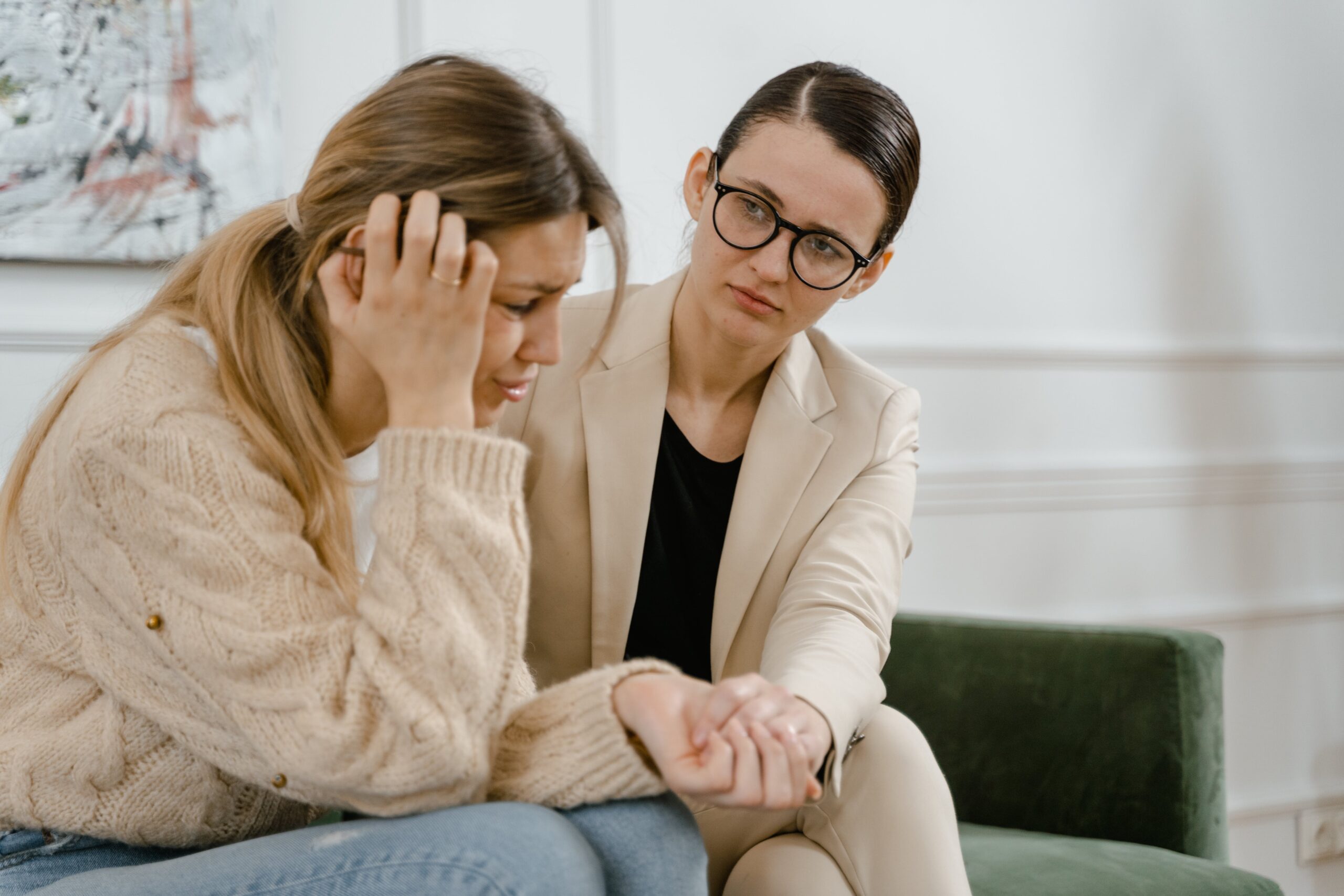
Stress and anxiety are common experiences that affect emotional balance, cognitive clarity, and physical wellbeing. While occasional stress is natural, chronic stress and persistent anxiety can disrupt daily life and overall quality of life. Understanding Stress and anxiety and applying effective solutions empowers individuals to maintain calm, improve emotional resilience, and navigate challenges with confidence. This comprehensive guide explores practical, evidence-based solutions for managing stress and anxiety, providing actionable strategies for calmer daily living.
Understanding Stress and Anxiety
Stress is a natural physiological and psychological response to external demands or challenges. It often manifests as tension, irritability, and heightened alertness. Anxiety, while closely related, is more associated with persistent worry, fear, or apprehension about perceived threats, whether real or imagined.
Both stress and anxiety trigger the body’s fight-or-flight response, activating the sympathetic nervous system and releasing stress hormones such as cortisol and adrenaline. These responses are adaptive in short-term situations but become harmful when sustained, leading to emotional strain, cognitive overload, and physical symptoms like muscle tension, headaches, digestive issues, and sleep disturbances.
Recognizing the difference between manageable stress and chronic anxiety is essential for applying effective solutions.
Identifying the Sources of Stress and Anxiety
Work and Academic Demands
Deadlines, heavy workloads, and performance expectations are major contributors to daily stress. Academic pressures, exams, and projects create similar anxiety-inducing environments.
Interpersonal Conflicts
Disagreements or strained relationships with family, friends, or colleagues can provoke emotional responses that amplify stress and anxiety.
Financial Pressures
Concerns about bills, debt, and financial security can create ongoing worry, particularly when unexpected expenses arise.
Lifestyle and Environmental Stressors
Daily life can introduce overstimulation through technology, noise, clutter, or irregular routines. These factors can intensify feelings of tension and mental fatigue.
Psychological Solutions for Managing Stress and Anxiety
Cognitive Behavioral Techniques
Cognitive Behavioral Therapy (CBT) is highly effective for reducing stress and anxiety by targeting unhelpful thought patterns.
Key Strategies:
- Cognitive Restructuring: Identify negative thoughts, evaluate their accuracy, and reframe them into balanced perspectives.
- Exposure Techniques: Gradually confront feared situations to reduce avoidance and anxiety sensitivity.
- Problem-Solving: Break complex problems into actionable steps to enhance a sense of control.
These methods reduce cognitive distortions, promote adaptive thinking, and improve emotional regulation.
Mindfulness-Based Solutions
Mindfulness practices cultivate present-moment awareness and non-judgmental observation of thoughts and emotions.
Effective Mindfulness Techniques:
- Focused breathing exercises to calm the nervous system
- Body scans to release tension and recognize stress patterns
- Mindful walking, eating, or routine activities to anchor attention
Research shows mindfulness reduces rumination, emotional reactivity, and physiological arousal associated with stress and anxiety.
Acceptance and Commitment Strategies
Acceptance and Commitment Therapy (ACT) emphasizes accepting internal experiences while committing to actions aligned with personal values.
Implementation Tips:
- Practice cognitive defusion to distance from unhelpful thoughts
- Clarify values to identify what matters most
- Engage in value-driven actions despite anxiety
ACT enhances psychological flexibility and reduces avoidance, allowing for calmer responses to life’s challenges.
Behavioral and Physical Solutions
Exercise and Movement
Regular physical activity reduces cortisol, releases endorphins, and improves mood regulation. Activities such as walking, yoga, swimming, or strength training help manage stress and anxiety while improving overall physical health.
Controlled Breathing and Relaxation
Techniques like diaphragmatic breathing, box breathing, and 4-7-8 breathing regulate the autonomic nervous system, lowering heart rate and muscle tension. Progressive muscle relaxation (PMR) systematically tenses and relaxes muscle groups to release stress-induced physical tension.
Sleep Optimization
Adequate, restorative sleep is critical for managing stress and anxiety. Sleep supports emotional regulation, cognitive clarity, and physical health. Strategies for better sleep include:
- Maintaining consistent sleep schedules
- Reducing screen exposure before bedtime
- Creating a calm and comfortable sleep environment
Nutrition and Hydration
Balanced nutrition and proper hydration stabilize energy, support brain function, and improve mood. Limiting stimulants, caffeine, and alcohol prevents exacerbation of stress and anxiety symptoms.
Lifestyle Solutions for Calmer Daily Living
Establishing Routines
Structured daily routines reduce uncertainty and enhance predictability, lowering stress levels. Incorporating regular work, rest, and leisure periods supports balance and resilience.
Time Management and Prioritization
Organizing tasks, setting realistic goals, and breaking responsibilities into manageable steps prevent overwhelm and reduce anxiety. Delegating when possible also alleviates unnecessary stress.
Social Support and Connection
Maintaining supportive relationships buffers the impact of stress and anxiety. Regular engagement with friends, family, or community groups provides emotional validation, perspective, and encouragement.
Limiting Overstimulation
Reducing exposure to digital notifications, social media, and news minimizes cognitive overload and mental fatigue. Intentionally scheduling low-stimulation periods promotes relaxation and emotional recovery.
Setting Boundaries
Clear boundaries protect emotional energy and prevent overcommitment. Learning to say no and prioritizing personal needs reduces chronic stress and creates space for self-care.
Integrating Stress and Anxiety Solutions Daily
Implementing solutions consistently in daily life ensures sustainable stress and anxiety management. Examples of integration include:
- Starting and ending the day with mindfulness or relaxation exercises
- Incorporating short physical activity sessions into work or home routines
- Journaling to track triggers, thoughts, and emotional responses
- Structuring tasks with prioritized lists and scheduled breaks
- Engaging regularly with supportive social networks
Consistency allows these practices to become automatic, enhancing resilience and promoting calmer living.
Combining Solutions for Maximum Effectiveness
Evidence suggests combining cognitive, behavioral, mindfulness, and lifestyle strategies yields the best outcomes:
- Cognitive restructuring addresses unhelpful thought patterns
- Mindfulness enhances present-moment awareness and reduces rumination
- Physical activity and relaxation techniques regulate physiological responses
- Lifestyle adjustments reinforce healthy routines and emotional balance
An integrative approach creates complementary pathways for managing stress and anxiety, improving emotional stability, cognitive function, and overall wellbeing.
Long-Term Benefits of Applying Stress and Anxiety Solutions
Applying evidence-based solutions provides lasting benefits:
- Reduced intensity and frequency of stress and anxiety episodes
- Improved emotional regulation and cognitive clarity
- Enhanced resilience to daily life challenges
- Better physical health outcomes due to reduced chronic stress
- Greater sense of control and self-efficacy in navigating life
Consistent practice transforms stress and anxiety management from reactive coping to proactive lifestyle integration.
Conclusion
Stress and anxiety are natural responses to life’s challenges, but chronic exposure can negatively impact emotional, cognitive, and physical wellbeing. Implementing practical, evidence-based solutions—including cognitive strategies, mindfulness, acceptance-based practices, physical activity, controlled breathing, sleep optimization, structured routines, social support, and healthy boundaries—empowers individuals to manage stress and anxiety effectively. Integrating these strategies into daily life enhances resilience, promotes calm, and supports overall wellbeing. By committing to consistent practice, individuals can navigate daily life challenges with confidence, maintain emotional stability, and cultivate a balanced, fulfilling life. All our latest blogs and resources are connected to our core platform. The homepage is your central hub for everything we publish.
FAQs
What are the most effective solutions for managing daily stress and anxiety?
The most effective solutions include cognitive restructuring, mindfulness practices, acceptance and commitment strategies, physical activity, controlled breathing, progressive muscle relaxation, sleep optimization, balanced nutrition, structured routines, social support, and boundary setting.
How can lifestyle changes reduce stress and anxiety long-term?
Lifestyle changes, such as maintaining consistent sleep patterns, engaging in regular exercise, prioritizing nutrition, limiting digital overload, and establishing supportive routines, improve resilience, emotional regulation, and overall wellbeing, providing long-term stress and anxiety reduction.
Can combining multiple strategies improve daily calm and emotional balance?
Yes. Combining cognitive, mindfulness, behavioral, and lifestyle strategies addresses stress and anxiety from multiple angles, creating complementary effects that enhance emotional stability, cognitive clarity, and physical wellbeing, leading to more consistent calm in daily living.