Understanding Florida Hurricane Damage: A Comprehensive Overview
Florida is no stranger to the devastating effects of hurricanes. With its lengthy coastline and tropical climate, the state often falls prey to powerful storms that leave behind a trail of destruction. Understanding the intricacies of Florida Hurricane Damage is pivotal for residents, policymakers, and recovery organizations alike. This article delves deep into the types and causes of damage, the psychological and economic implications, best recovery practices, and critical measures for future preparedness.
What is Florida Hurricane Damage?
Defining Hurricane Damage in Florida
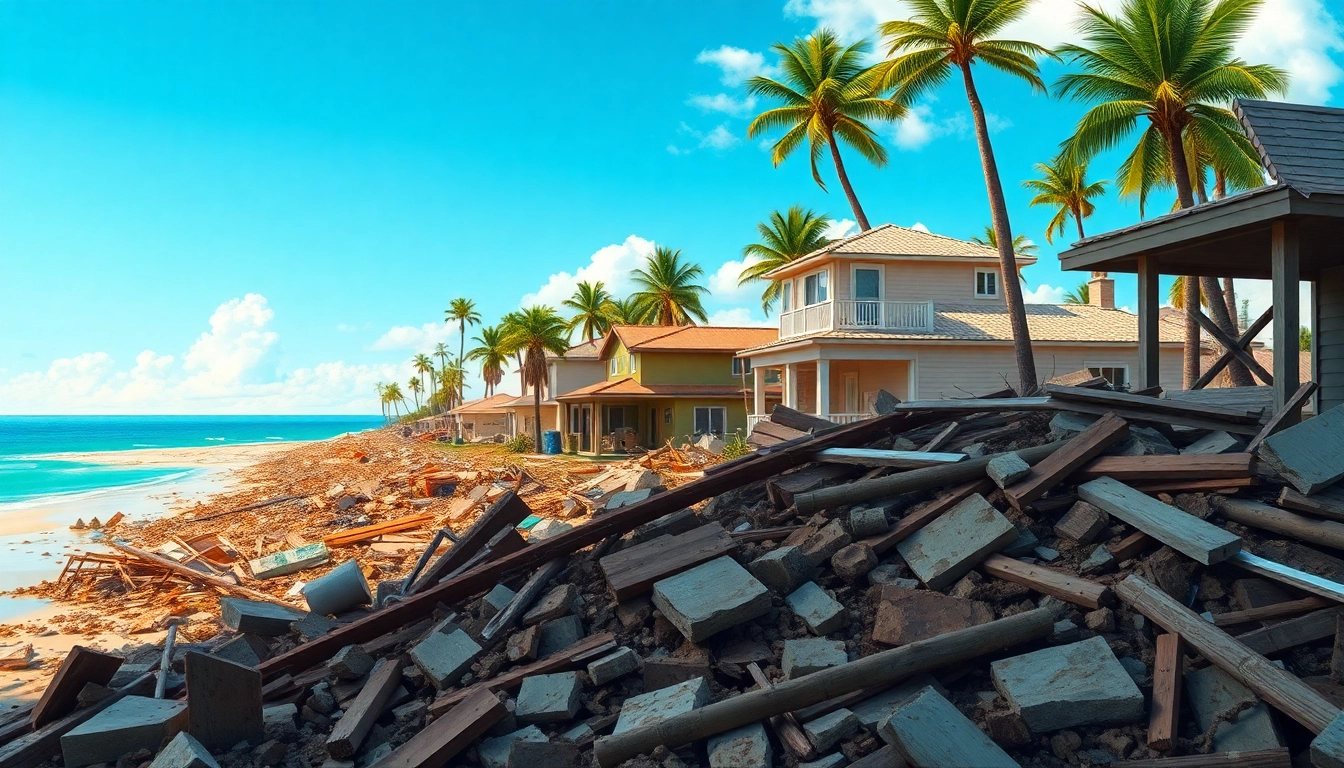
Hurricane damage in Florida refers to the destruction caused by cyclonic weather events, characterized by high winds, heavy rains, and storm surges. This damage can manifest in various forms, including structural harm to buildings, flooding, destruction of infrastructure, and long-lasting environmental degradation.
Types of Damage Caused by Hurricanes
Hurricanes can inflict several distinct types of damage:
- Wind Damage: High-velocity winds can uproot trees, damage roofs, and even topple buildings.
- Flooding: Excessive rainfall and storm surges lead to flooding that can ruin houses and disrupt transport systems.
- Storm Surge: The rise in seawater level can inundate coastal areas, causing severe landscape changes and infrastructure loss.
- Environmental Damage: Hurricanes can devastate natural habitats, including forests and wetlands, with long-term ecological consequences.
Historical Examples of Florida Hurricane Damage
Historically, Florida has experienced numerous hurricanes, each leaving a unique footprint of devastation:
- Hurricane Andrew (1992): One of the most catastrophic storms in U.S. history, Andrew caused approximately $26.5 billion in damage and reshaped Florida's building codes.
- Hurricane Wilma (2005): Wilma, the most intense storm recorded in the Atlantic, inflicted around $20 billion in damages, significantly impacting the state’s economy.
- Hurricane Irma (2017): A Category 5 hurricane that became one of the most expensive tropical cyclones, Irma caused $50 billion in damages across Florida, affecting millions.
Understanding the Causes of Florida Hurricane Damage
Hurricane Formation and Its Effects
Hurricanes form over warm ocean waters, fueled by heat and moisture that create low-pressure systems. As these systems evolve, they can intensify, yielding severe winds and heavy precipitation that lead to substantial damage when they make landfall.
Factors Influencing Damage Severity
Several factors contribute to the severity of damage caused by hurricanes, including:
- Wind Speed: Higher wind speeds drastically increase the potential for structural damage.
- Rainfall Amount: Excess rain can saturate the ground, leading to flooding.
- Terrain: Coastal areas are more vulnerable due to storm surges, while inland regions may face different types of flooding.
- Development Practices: Urbanization can exacerbate flooding and runoff, leading to increased damage.
Climate Change and Increasing Hurricane Intensity
The effects of climate change are increasingly evident, influencing hurricane frequency and intensity. Warmer ocean temperatures contribute to heightened hurricane activity, leading to stronger storms with the potential for more substantial damage. The correlation between climate change and natural disasters underscores the urgency for stringent climate action.
Assessing the Effects of Hurricane Damage in Florida
Economic Impacts on Communities
The economic toll of hurricanes on Florida communities is staggering. Not only do storms cause immediate destruction, but they also disrupt local economies, particularly in sectors such as tourism, agriculture, and fishing. For instance, the aftermath of Hurricane Irma saw an extended closure of key tourist areas, which significantly impacted revenue streams for local businesses.
Insurance Challenges Post-Hurricane
After hurricanes, many Floridians face daunting insurance challenges. High property damage costs often lead to disputes between homeowners and insurance companies regarding coverage claims. The complex nature of policies, combined with potential rising premiums, can further complicate recovery for those affected.
The Psychological Impact of Hurricane Damage
The emotional and psychological aftermath of hurricanes can be profound. Residents may experience anxiety, depression, and post-traumatic stress disorder (PTSD) as they process the loss and destruction around them. Mental health support becomes vital in the recovery process, addressing the emotional scars that can last long after physical repairs are completed.
Best Practices for Recovery from Florida Hurricane Damage
Steps for Homeowners Post-Hurricane
Recovering from hurricane damage involves several crucial steps for homeowners:
- Safety First: Ensure the safety of all household members and assess damage carefully to avoid injury.
- Document Damage: Take photographs and detailed notes of all damages for insurance purposes.
- Contact Insurance Providers: Notify your insurance company immediately to start the claims process.
- Seek Temporary Shelter: If your home is uninhabitable, finding suitable temporary accommodation is crucial.
- Begin Repairs: Prioritize repairs that prevent further damage, such as roofing, doors, and windows.
Community Recovery Initiatives
Community-level recovery initiatives can greatly enhance the recovery process. Informal networks often provide resources and support, including food and shelter for those displaced. Local governments may also play a role through assistance programs aimed at funding recovery efforts and rebuilding critical infrastructure.
The Role of Local Government in Recovery
Local governments are vital in bridging the gap between state and federal assistance and the needs of affected communities. They often coordinate recovery efforts, allocate resources, and initiate rebuilding projects that are essential for lasting recovery.
Preparing for Future Florida Hurricane Damage
Building Codes and Disaster Preparedness
Stringent building codes are crucial in minimizing hurricane damage. Adopting modern construction techniques and materials can enhance the resilience of structures against severe storms. Public awareness campaigns also play a pivotal role in educating citizens about necessary preparedness measures.
Emergency Response Planning
Effective emergency response planning can significantly reduce chaos during a hurricane. It involves thorough coordination among local emergency services, public health officials, and community organizations to ensure a seamless response to storm threats.
Public Awareness and Education Programs
Enhancing public awareness through education programs is essential for hurricane preparedness. Initiatives that inform citizens about evacuation routes, emergency supply kits, and communication plans can empower residents to take proactive steps in the face of impending storms.