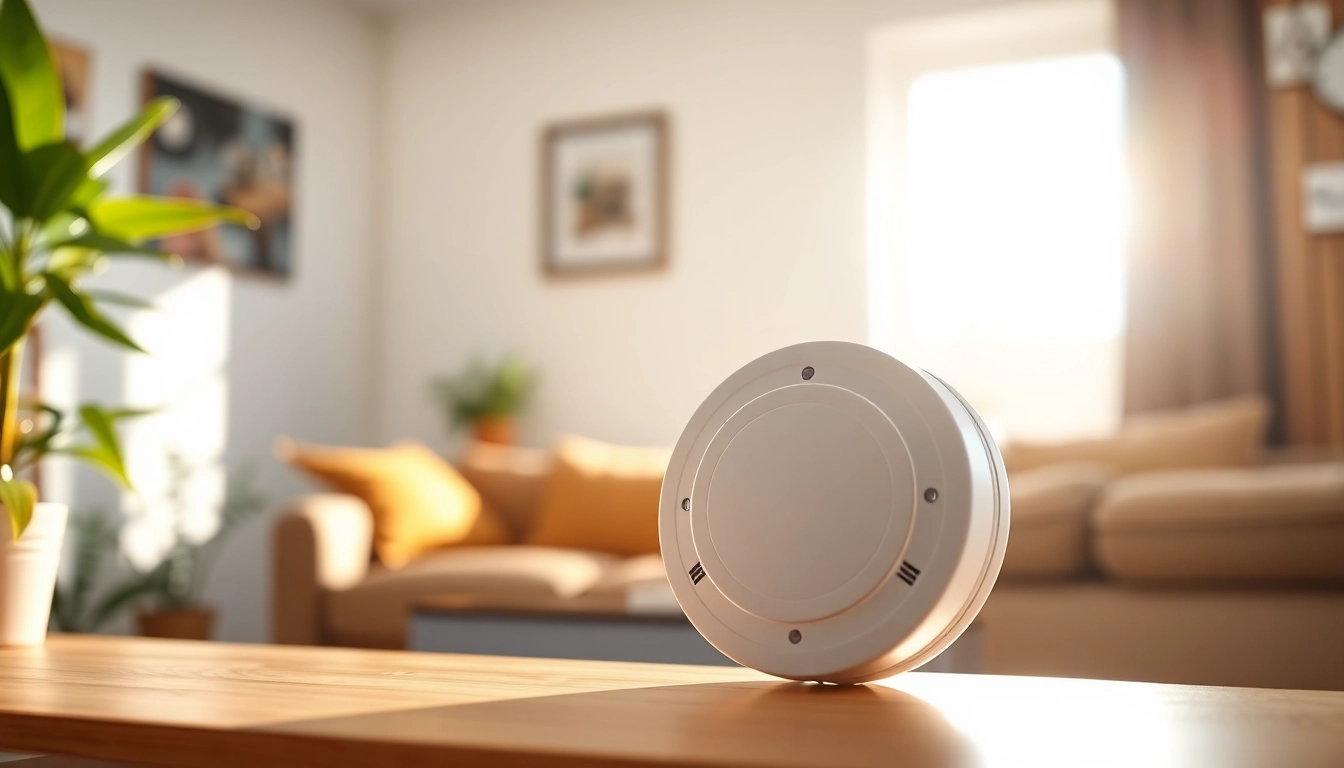
Understanding Smoke Detector Batteries
Smoke detectors are vital components of any home safety plan, providing an early warning system against fire hazards. One critical aspect that often gets overlooked is the smoke detector battery. The type of battery used, its lifespan, and how it operates can significantly affect the performance of your smoke detectors. In this comprehensive guide, we will delve into everything you need to know about smoke detector batteries to ensure your home remains safe and secure.
Types of Smoke Detector Batteries
There are several types of batteries used in smoke detectors, each with its own pros and cons:
- Alkaline Batteries: These are the most common type of batteries used in smoke detectors. They are affordable and readily available, but have a shorter lifespan compared to lithium batteries, typically lasting about 6 to 12 months.
- Lithium Batteries: Known for their longevity, lithium batteries can last up to 10 years without replacement. They are usually sealed within the smoke detector unit, meaning you may need to replace the entire unit once the battery dies.
- Nickel Cadmium (NiCd): Although less common, NiCd batteries can be recharged and are often found in hardwired smoke detectors with a backup. However, they have a lower energy density and may not last as long as alkaline or lithium batteries.
Battery Lifespan and Replacement Guidelines
The lifespan of a smoke detector battery varies by type:
- Alkaline batteries: As noted, typically need replacement every 6 to 12 months. It’s essential to check them regularly, as performance can drop unexpectedly.
- Lithium batteries: These can last from 5 to 10 years. When they start to fail, the smoke detector will emit a chirping sound as a warning for replacement.
- Rechargeable batteries: If your smoke detector operates on rechargeable batteries, ensure you follow the manufacturer’s guidance on maintenance and charging protocols to optimize battery life.
How Do Smoke Detector Batteries Work?
Smoke detector batteries provide power to the smoke detectors, ensuring they function optimally when detecting smoke or heat. When smoke enters the detector, it triggers a sensor, which sends a signal to the battery-powered alarm to sound off, alerting occupants to potential danger. A well-functioning battery is crucial for ensuring the detector can perform this function without interruption. Regular testing can help ensure that the battery is sufficiently charged and responsive.
Importance of Regular Maintenance
Regular maintenance of smoke detector batteries is essential in preventing failures when they are most needed. Neglecting maintenance can lead to dire consequences in an emergency situation.
Testing Your Smoke Detector Battery
Testing your smoke detector battery once a month is a best practice that ensures your alarms are functioning properly. Here's how to conduct a simple test:
- Locate the test button on your smoke detector. It is usually clearly marked.
- Press and hold the button until you hear the alarm sound; this indicates that the detector is operational.
- If the alarm does not sound, check the battery. It may need to be replaced immediately.
Signs Your Smoke Detector Battery Needs Replacement
There are several indicators that your smoke detector battery may require replacement:
- The smoke detector emits a chirping sound, indicating low battery.
- Physical wear signs, such as corrosion or leakage around the battery compartment.
- Your smoke detector has not been replaced in over ten years, the general lifespan of many units.
Routine Maintenance Practices for Home Safety
Beyond monthly battery testing, other maintenance practices can enhance home safety:
- Clean your smoke detectors regularly to remove dust and debris that can affect performance.
- Schedule a full system test of all smoke detectors at least once a year.
- Replace smoke detectors every 10 years to ensure that technology remains effective and the sensors are fresh.
Choosing the Right Smoke Detector Battery
Selecting the appropriate battery for your smoke detector is crucial to ensure it operates effectively. Below are considerations to keep in mind.
Compatibility with Different Smoke Detectors
Not all smoke detector models accept all battery types. It's important to refer to the manufacturer's recommendations for compatible battery types. Many newer models might come with a built-in lithium battery, making them a hassle-free choice as they don’t require frequent replacements.
Comparing Alkaline vs. Lithium Batteries
The choice between alkaline and lithium batteries can impact maintenance and safety:
FeatureAlkaline BatteriesLithium BatteriesCostLower initial costHigher upfront cost, but lasts longerReplacement Frequency6-12 monthsUp to 10 yearsSelf-Discharge RateHigherLowerEnvironmental ImpactMore waste due to frequent replacementsLess waste; longer lasting
Recommended Brands and Products
Several brands have gained recognition for their reliability and performance in smoke detector batteries. Some top recommendations include:
- Energizer: Known for their long-lasting alkaline and lithium options.
- Duracell: Offers a wide range of batteries, recognized for reliability and performance.
- Panasonic: Well-regarded for lithium batteries that have a long lifespan.
Safety Protocols for Households
Having an effective smoke detector battery in place is just one aspect of a comprehensive fire safety strategy. Implementing safety protocols can help protect your household.
Creating an Emergency Plan with Smoke Detectors
An emergency plan should include the following elements:
- Designate an escape route from each room in your home.
- Identify a safe meeting place outside the home.
- Ensure everyone in the household knows how to respond when the smoke detector alarms.
Installing Multiple Smoke Detectors Effectively
To maximize safety, make sure you have smoke detectors installed in key areas, including:
- Every bedroom and hallway.
- On every level of your home, including the basement.
- Near cooking areas but away from appliances to reduce false alarms.
Common Mistakes to Avoid in Household Safety
Many households make critical errors that could jeopardize safety:
- Ignoring warning sounds from smoke detectors.
- Failing to replace batteries regularly and on schedule.
- Overlooking the age of smoke detectors; many people do not realize these devices need replacement every decade.
Conclusion: Maximizing Home Safety
Fostering a culture of safety within your home begins by understanding the importance of smoke detector batteries and implementing comprehensive maintenance strategies.
Recap of Key Points About Smoke Detector Batteries
To recap, smoke detector batteries come in various types, each with distinct lifespans and characteristics. Ensuring the right battery type and following maintenance guidelines can dramatically improve the safety of your home.
Final Tips for Optimal Smoke Detector Performance
- Adopt a proactive approach in battery testing and replacement.
- Visual and audible alerts for low batteries should not be ignored—act promptly.
- Utilize technology to help you remember when to test or change batteries.
Encouraging Regular Safety Checks and Battery Replacements
Your home’s safety is a shared responsibility that benefits everyone inside. Encourage family members to participate in regular safety checks and create a schedule for routine maintenance tasks. This ensures that everyone is aware of their roles in keeping the home safe and that smoke detectors are always ready to serve their life-saving function.