Understanding Bed Bug Infestations
What Are Bed Bugs?
Bed bugs are small, wingless insects that are primarily nocturnal and feed on the blood of humans and animals. They are often found in places where people sleep, such as homes, hotels, and public transportation. These pests are reddish-brown in color, about the size of an apple seed, and can be difficult to detect due to their ability to hide in tiny crevices.
Signs of Infestation
Recognizing the signs of a bed bug infestation is crucial for early intervention. Common signs include:
- Visible bed bugs or their shed skins.
- Dark, rust-colored spots of bed bug excrement on sheets or mattresses.
- Bed bug bites on the skin, characterized by red, itchy welts.
- Sweet, musty odors in areas where bed bugs congregate.
The Life Cycle of Bed Bugs
The life cycle of bed bugs consists of four stages: egg, nymph, juvenile, and adult. A female can lay hundreds of eggs in her lifetime, with each egg hatching in about 7 to 10 days. The nymphs must feed on blood in order to grow, and they molt several times before reaching adulthood, which could happen within several weeks under optimal conditions.
Overview of Bed Bug Chemical Treatment
Common Chemical Options
When it comes to controlling bed bug populations, several chemical options are available:
- Pyrethroids: Synthetic chemicals designed to kill insects, pyrethroids are often the first choice in bed bug treatment due to their efficacy.
- Insect Growth Regulators (IGRs): These disrupt the life cycle of bed bugs, preventing them from maturing or reproducing.
- Neonicotinoids: These target the nervous system of insects, providing an alternative for those resistant to pyrethroids.
- Biochemicals: Cold-pressed neem oil is one of the registered biochemical options, known for its natural effectiveness.
How Chemical Treatments Work
Bed bug chemical treatments work by directly targeting the pest’s biological functions. Pyrethroids and neonicotinoids affect neural pathways, leading to paralysis and death. Meanwhile, insect growth regulators disrupt hormone activity, effectively inhibiting the development of bed bugs, and preventing their reproduction. These chemicals are often used in combination to ensure comprehensive control of bed bug populations.
The Safety of Using Chemicals
The safety of chemical treatments is a significant concern for homeowners. Most modern bed bug pesticides are approved by regulatory bodies and designed for minimal toxicity to humans and pets when used according to instructions. However, proper ventilation during and after treatment is crucial. Always read the labels carefully and adhere to safety guidelines.
Preparing for Bed Bug Chemical Treatment
Initial Steps for Homeowners
Preparing your home for bed bug chemical treatment involves several key steps. Firstly, remove clutter and personal items from the infested areas. This makes the treatment more effective and allows for a thorough application of pesticides. Launder all bedding, curtains, and clothing to ensure no bed bugs are left lingering in fibers.
Creating a Treatment Plan
Creating a well-structured treatment plan is essential. Start with identifying all infested areas in the home. Documenting the extent of the infestation can help pest control professionals tailor their approach. Choose the right chemical treatment based on the severity of the infestation, and schedule the treatment at a time when you can vacate the premises if necessary.
What to Expect During Treatment
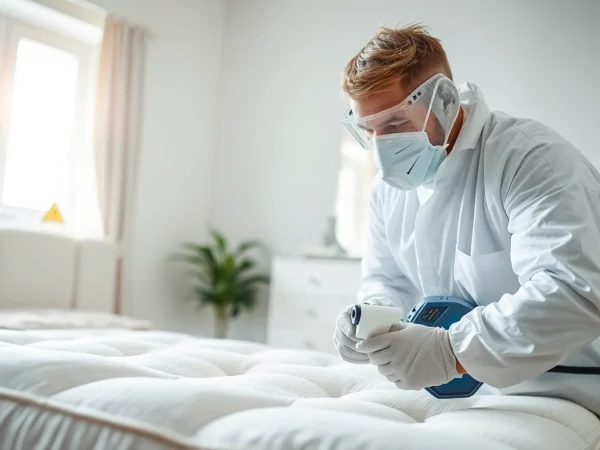
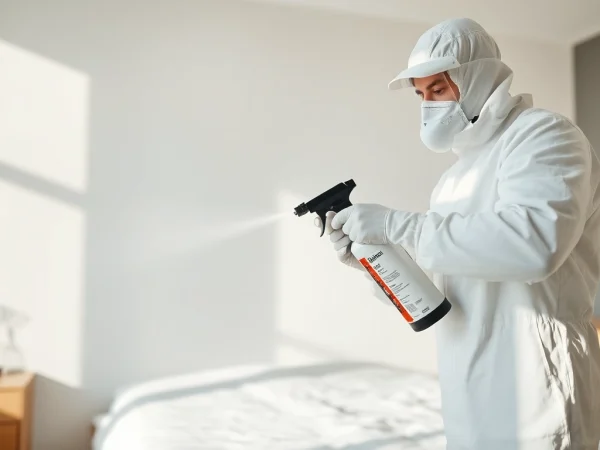
During chemical treatment, the pest control technician will apply the chosen pesticides to the infested areas thoroughly. Expect to be out of your home for several hours or even a day to allow for proper ventilation and drying of the chemicals. It’s normal for some bed bugs to remain alive after the initial treatment, as eggs can take longer to hatch, necessitating follow-up treatments.
Implementing Bed Bug Chemical Treatment
Step-by-Step Treatment Guide
Implementing a bed bug chemical treatment involves several steps:
- Identify and analyze all infestation sites.
- Choose the appropriate chemical treatment based on research and recommendations.
- Prepare the home by clearing clutter and laundering items.
- Apply the chemical according to the manufacturer’s instructions, ensuring full coverage.
- Monitor the treated areas for activity post-treatment and consider follow-up treatments as necessary.
Tips for Maximizing Effectiveness
To maximize the effectiveness of your chemical treatment:
- Ensure that all surfaces are clean and free from dust to allow for better chemical adhesion.
- Maintain proper humidity levels, as bed bugs thrive in moderate humidity.
- Employ a combination of treatments, such as chemical and non-chemical methods to increase efficacy.
- Regularly vacuum areas post-treatment to remove dead bugs and allergens.
Common Mistakes to Avoid
While attempting chemical treatments, homeowners often make common mistakes that can hinder effectiveness. Avoid the following:
- Underestimating the number of treatments needed – often, multiple treatments are necessary for success.
- Ignoring safety precautions, such as proper ventilation during and after application.
- Not following dosage recommendations from the manufacturer, leading to treatment failure.
- Failing to combine treatments; relying solely on chemical options isn’t always effective.
Post-Treatment Care and Prevention
Assessing Treatment Success
Post-treatment, it’s vital to assess the success of the chemical treatment. Look for signs of activity such as live bugs or bites. Utilize bed bug monitors for ongoing assessment, and schedule a follow-up with pest control as needed. It typically takes more than one round of treatment to completely eradicate an infestation due to the pest’s lifecycle.
Long-Term Prevention Strategies
To prevent future infestations, implement long-term strategies such as:
- Sealing cracks and crevices in walls, baseboards, and furniture to reduce hiding spots.
- Regularly vacuuming and cleaning areas where bed bugs may thrive.
- Using protective covers on mattresses and box springs to prevent bed bugs from nesting.
- Being cautious when traveling, such as inspecting hotel rooms and luggage.
When to Seek Professional Help
If you find that infestation persists despite your best efforts with chemical treatments, it may be time to call in professional pest control. Signs that indicate a need for professional help include widespread infestation, severe allergic reactions to bites, or the presence of multiple insect varieties. Pest control experts have access to advanced treatment options and can devise a comprehensive approach to eradicate bed bugs effectively.
Frequently Asked Questions
1. How quickly can I expect results from chemical treatments?
Results vary based on the treatment used but generally, visible reduction in activity should occur within a week. Full eradication may take several weeks and multiple treatments.
2. Are the chemicals harmful to pets?
While most chemicals are safe when used per guidelines, it’s essential to keep pets away from treated areas until the chemicals have dried and the space is ventilated.
3. Can I use home remedies in conjunction with chemical treatments?
Yes, combining methods can enhance effectiveness. However, ensure that the remedies do not interfere with the chemicals used, following guidance to avoid adverse reactions.
4. What should I do if I still see bed bugs after treatment?
Contact your pest control provider for a follow-up assessment. Persistent sightings often require additional treatments for effective management.
5. How can I prevent bed bugs from returning?
Regular cleaning, minimizing clutter, and using protective mattress encasements are key strategies to prevent future infestations.