
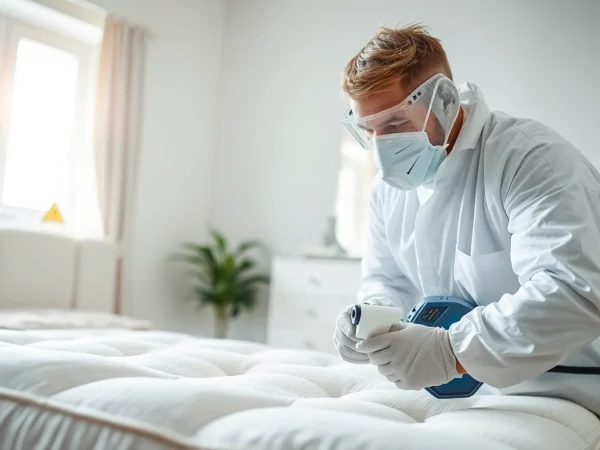
Understanding Bed Bug Infestations
Bed bugs are pervasive pests that cause significant inconvenience and discomfort. Their infestations have surged in recent years, affecting homes, hotels, and public transportation in many areas. Understanding the biology and behavior of these insects is crucial for effective control and prevention strategies. This section delves into how bed bugs spread, their reproductive habits, signs of infestation, and the importance of early detection.
How Bed Bugs Spread and Reproduce
Bed bugs, scientifically known as Cimex lectularius, are small, wingless insects that thrive on blood meals, primarily from humans. They are adept at hitching rides on luggage, clothing, and other personal belongings, making them highly mobile. A bed bug can travel from one place to another through various means:
- Infested Items: They often infest second-hand furniture, mattresses, and other items, which can be unnoticed during transport.
- People: Individuals unknowingly transport bed bugs on their bodies or belongings after staying in infested areas.
- Indoor Movement: Bed bugs can move through walls, ceilings, and floors, migrating to neighboring apartments or rooms.
In optimal conditions, bed bugs can reproduce quickly, with a female capable of laying over 200 eggs in her lifetime. Each egg, about the size of a pinhead, can hatch within a week. This remarkable reproductive ability makes infestations challenging to control.
Signs of Bed Bug Presence in Your Home
Detecting bed bugs early can significantly impact the effectiveness of treatment efforts. Common signs include:
- Blood Stains: Small red or brown spots on sheets or mattresses often indicate blood from crushed bed bugs.
- Dark Spots: Excrement from bed bugs can appear as tiny dark spots on bedding or walls.
- Eggs and Shells: Look for white eggs and shed skins, which signify their presence.
Being proactive and checking for these signs can help you catch an infestation before it balloon into a larger issue.
The Importance of Early Detection
Early detection is essential for effective pest management. A small number of bed bugs can quickly turn into a major infestation if not addressed promptly. Regular inspections, especially in high-risk areas such as hotels, universities, and public transportation, can mitigate the spread. If you suspect a bed bug problem, it is prudent to consider a bed bug chemical treatment as part of your response plan.
Preparing for Bed Bug Chemical Treatment
Preparing your living space for bed bug chemical treatment is crucial for achieving maximal efficacy. Proper preparation includes several essential steps that can significantly enhance treatment outcomes.
Essential Steps Before Treatment
Before treatment, it is important to take the following steps:
- Declutter: Remove clutter from the infested area to give the exterminator full access to treatment sites.
- Laundering: Wash all bedding, clothing, and washable items in hot water and dry them on high heat to kill bugs and their eggs.
- Sealing Items: Place non-washable items in sealed bags or containers to protect them from treatment.
This preparation minimizes the chances of re-infestation and enhances the chemical treatment’s effectiveness.
Identifying Areas of Infestation
Conduct a thorough inspection to identify infested areas. Common hotspots include:
- Mattresses and box springs
- Bed frames
- Nightstands and furniture seams
- Carpets, especially near the bed
Make sure to inform the pest control technician of these discoveries as they can tailor the treatment accordingly.
Safety Measures for Household Members
Safety during the treatment process is paramount, especially concerning sensitive individuals, pets, and children. Implement the following measures:
- Keep pets away from the treatment area. Consider boarding them or keeping them in another room.
- Inform household members about the treatment schedule and potential hazards.
- Avoid occupying treated areas until the chemical has dried, and any necessary ventilation has been done.
Following these measures enhances safety throughout the treatment process.
Choosing the Right Bed Bug Chemical Treatment
Not all chemical treatments are created equal. Selecting the right type of chemical for your situation involves understanding your options, their effectiveness, and safety profiles.
Types of Chemicals Used in Treatments
There are several classes of chemicals used against bed bugs:
- Pyrethroids: Commonly used, pyrethroids chemically mimic natural insecticides derived from chrysanthemum flowers, affecting the nervous system of the pests.
- Insect Growth Regulators (IGRs): These chemicals disrupt the growth and reproduction of bed bugs, preventing them from maturing into breeding adults.
- Desiccants: Substances such as diatomaceous earth damage the protective outer layer of bed bugs, leading to dehydration and death.
Understanding the distinctions between these chemicals is crucial for effective pest management.
Evaluating Efficacy and Safety
Evaluating the efficacy of a chemical treatment involves looking into:
- Active Ingredients: Review scientific literature and efficacy studies related to the specific chemicals.
- Resistance Levels: Some bed bugs have developed resistance to specific pesticides; selecting treatments with varied modes of action can help mitigate this issue.
- Safety Data: Assess safety data sheets for information on potential health risks related to humans and pets.
Effective treatments balance efficacy with safety, ensuring minimal risk to household members.
Consulting Professionals vs. DIY Treatments
Deciding between professional pest control services or opting for do-it-yourself treatment methods can be challenging. Factors to consider include:
- Severity of Infestation: A professional is often better equipped to handle larger infestations effectively.
- Expertise: Experienced exterminators understand the lifecycle of bed bugs and can apply treatment safely and efficiently.
- Cost: DIY treatments can save money, but if they fail, the subsequent costs may exceed professional service expenses.
Carefully evaluate your situation before choosing the preferred route.
Steps for Successful Bed Bug Chemical Treatment
The effectiveness of bed bug chemical treatment depends significantly on how well it is implemented. The following steps outline a successful approach to treatment application.
Application Techniques for Maximum Effectiveness
Proper application techniques can enhance the penetration and effectiveness of treatments:
- Target Specific Areas: Apply chemicals directly to suspected areas of infestation rather than in open spaces.
- Use Appropriate Equipment: Employ specialized equipment for uniform application within cracks and crevices.
- Follow Manufacturer Instructions: Adhering to dosage and frequency recommendations is critical to avoiding treatment underdosing or overdosing.
By focusing on precision, you increase the likelihood of hitting all stages of the bed bug lifecycle.
Follow-Up Treatments and Monitoring
One treatment is often insufficient for eradication. Routine follow-up treatments might be necessary based on the identified levels of infestation. Recommendations for follow-up include:
- Plan for additional treatments after 10-14 days, as it takes time for eggs to hatch and for the chemical to affect different life stages.
- Regularly inspect the treated areas to identify any resurgence or remaining bugs.
- Maintain documentation of all inspections and treatments to track patterns and efficacy.
Continuous monitoring allows homeowners to act promptly if necessary.
Documenting Treatment Results
Documentation is critical in pest control for assessing treatment effectiveness. Ideal documentation practices include:
- Recording the product name, active ingredients, and application method.
- Noting the date of treatment and subsequent observations.
- Creating a timeline for follow-up inspections and treatments.
By keeping thorough records, homeowners can provide informed feedback to pest control professionals and facilitate future treatment decisions.
Frequently Asked Questions about Bed Bug Chemical Treatment
What are the most effective chemicals for bed bug treatment?
Effective chemicals typically include pyrethroids, neonicotinoids, and insect growth regulators (IGRs), each targeting various life stages of bed bugs.
How often should bed bug chemical treatment be applied?
Generally, treatments should be repeated every 10-14 days, depending on the severity of the infestation. Following the manufacturer’s guidance is crucial.
Are the chemicals safe for pets and children?
Most commercial chemicals are safe if applied correctly. However, pets and children should be kept away from treated areas until they are dry and ventilated.
What steps can I take post-treatment?
Post-treatment, continue routine inspections for signs of bed bugs, keep clutter minimal, and maintain clean living spaces to deter reinfestation.
How can I prevent future infestations?
To prevent future infestations, regularly inspect second-hand items, maintain cleanliness, and consider utilizing encasements for mattresses and box springs.